Bridge for Laboratory Sciences
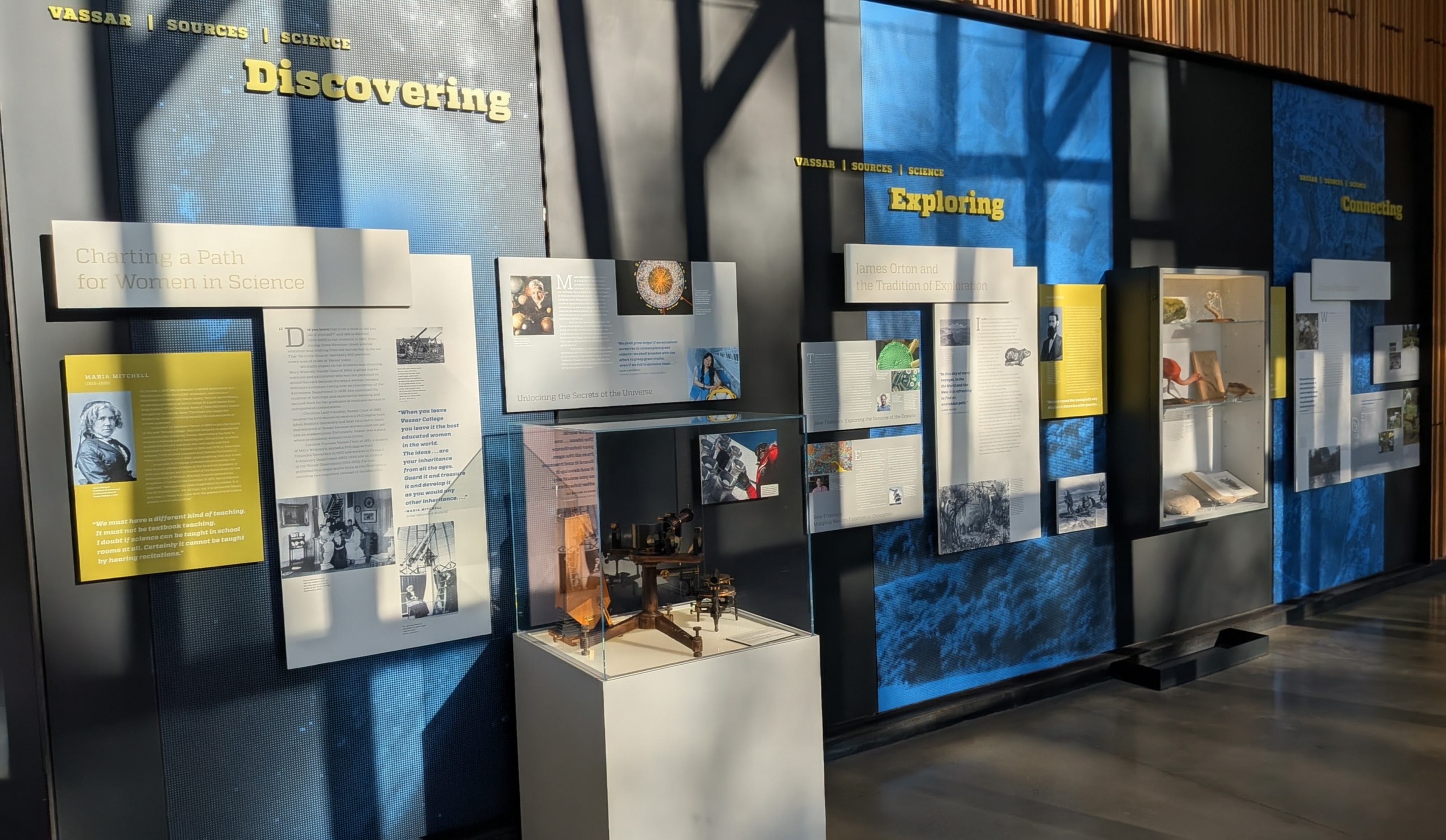
Discovering.
Exploring.
Connecting.
Learn about the groundbreaking contributions of past Vassar professors like Maria Mitchell, James Orton, and Edith A. Roberts, whose work left a profound and lasting impact on campus and science.
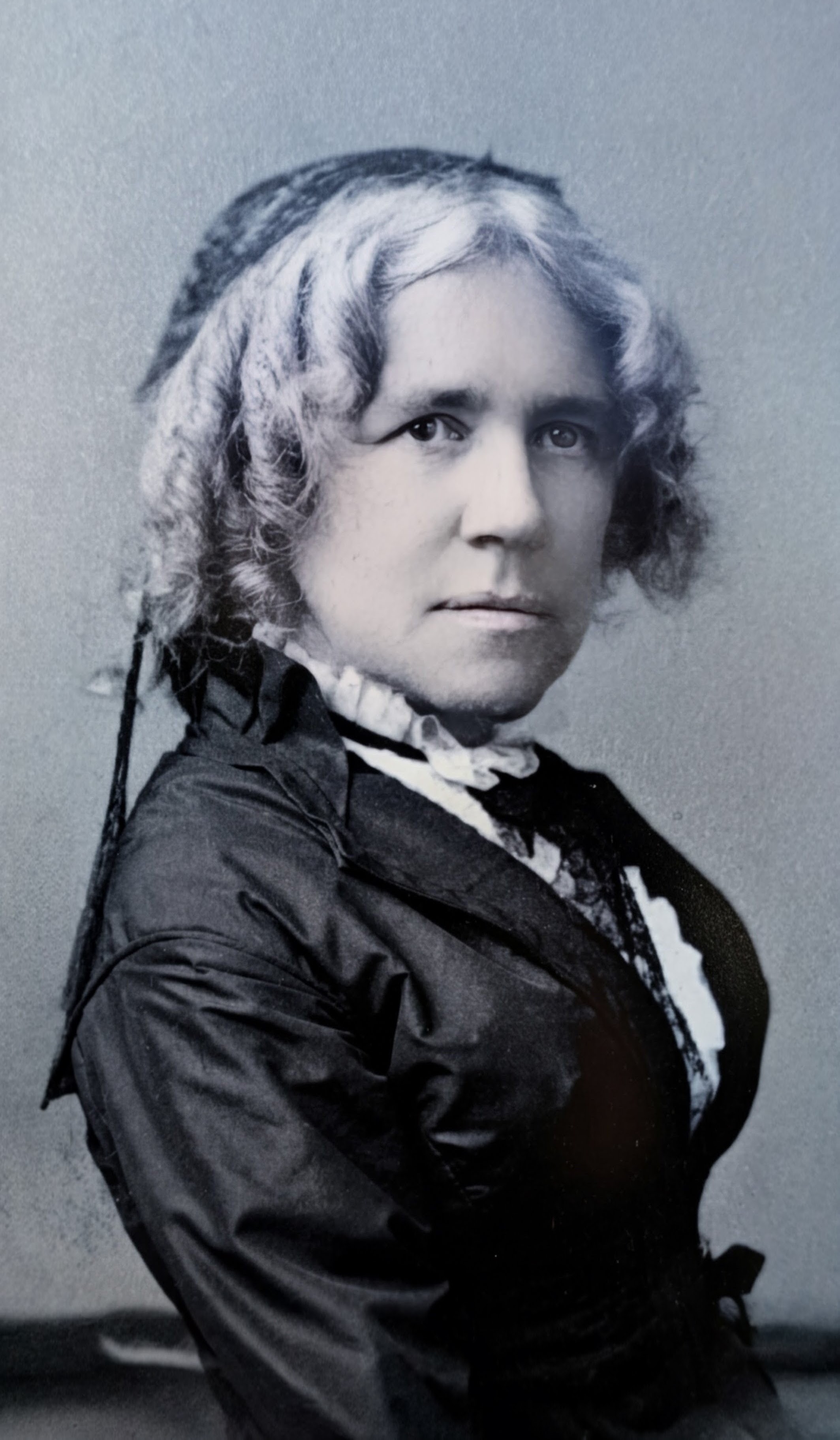
Maria Mitchell (1818–1889) gained international fame in 1847 for discovering a telescopic comet, becoming America’s first female professional astronomer. Joining Vassar in 1865, she created a rigorous, hands-on astronomy program in the Vassar Observatory, leading students in nightly observations, eclipse expeditions, and the 1882 transit of Venus. A pioneering advocate for women in science and a co-founder of the Association for the Advancement of Women, Mitchell’s teaching and leadership inspired generations to follow her path.
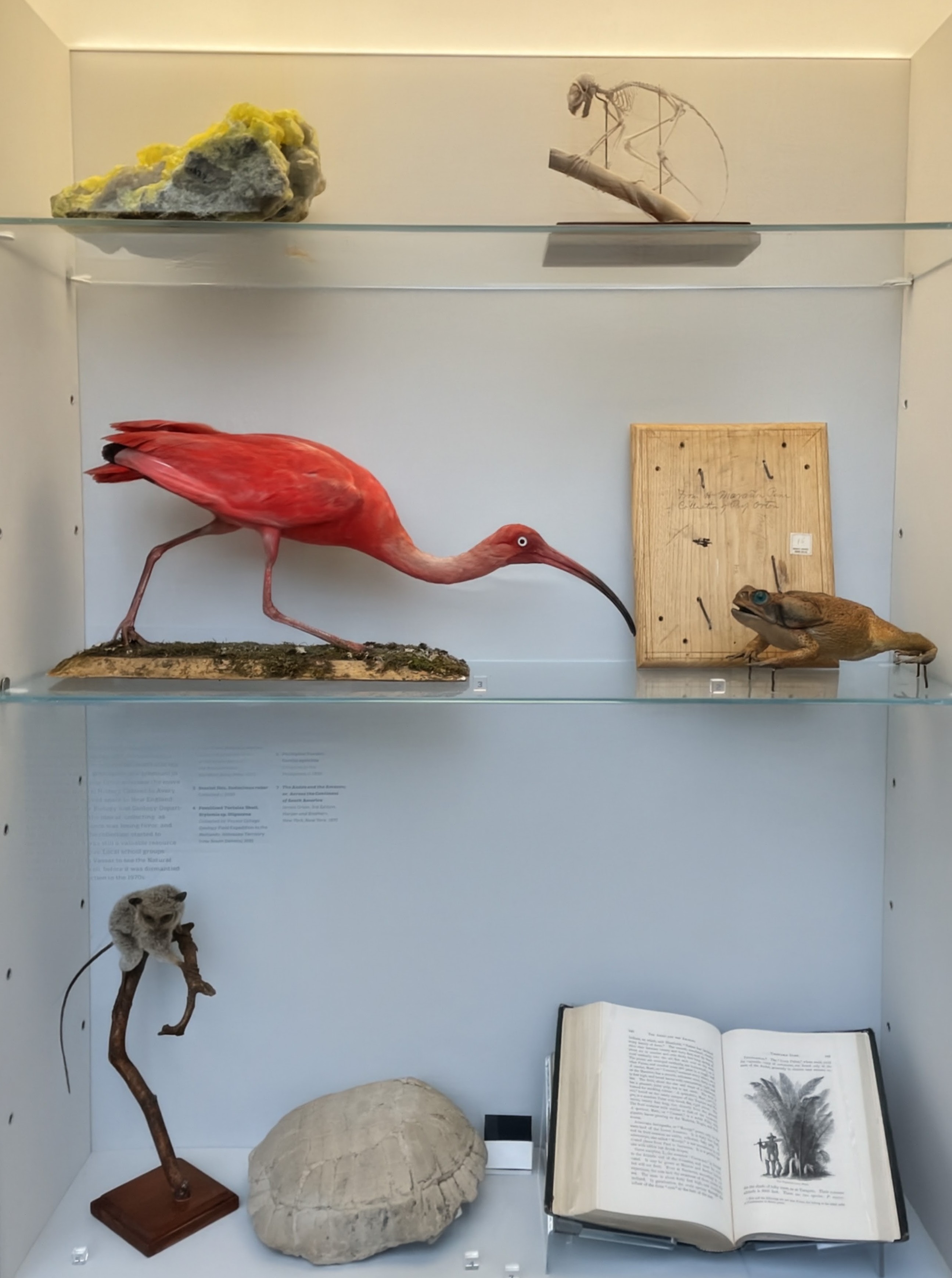
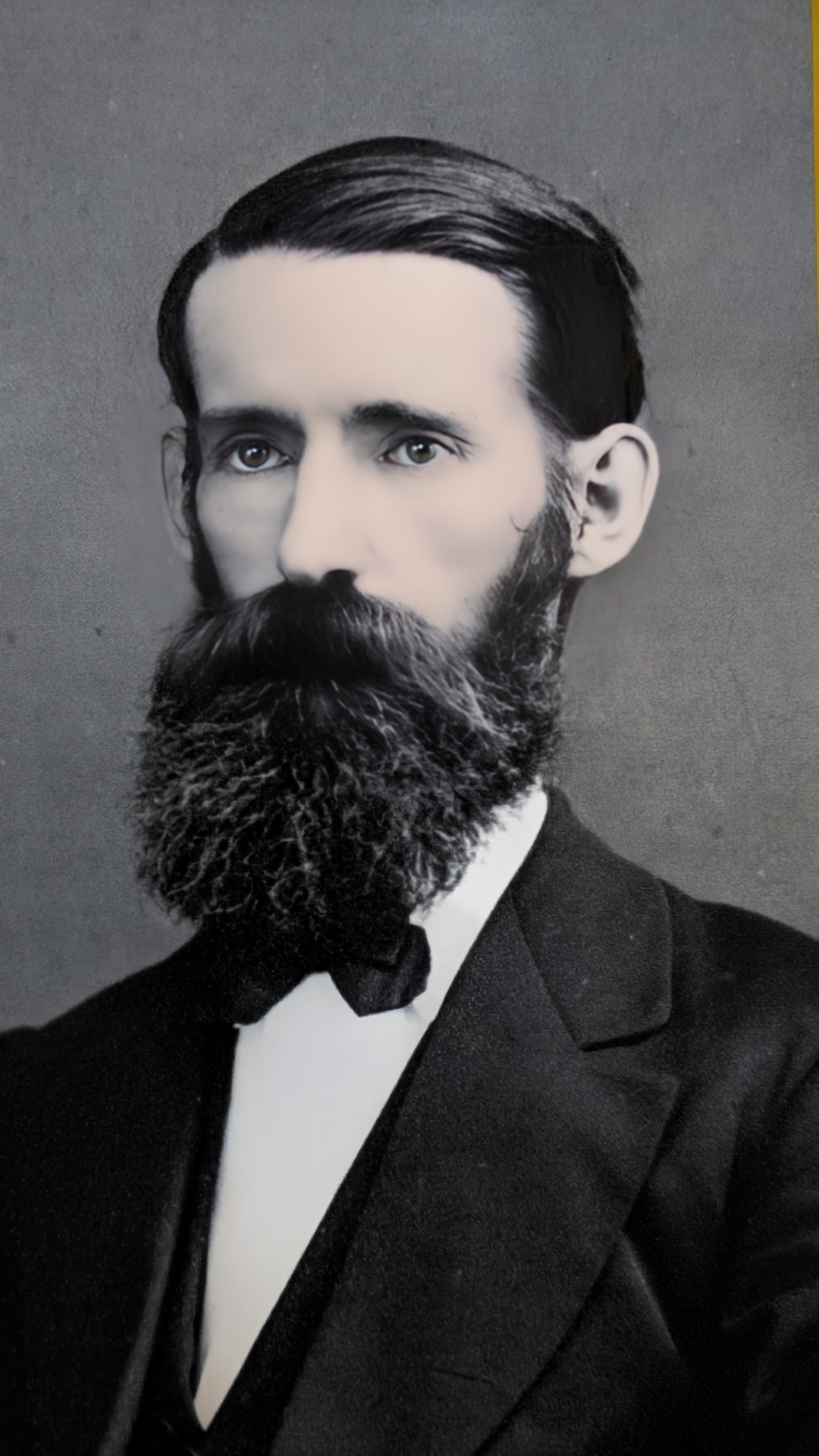
James Orton (1830–1877) grew up in Seneca Falls, NY, cultivating an early passion for natural science that led him to publish inventions and the successful Underground Treasures. Though trained for the ministry, his interest in teaching and natural history was rekindled during a year at the University of Rochester. In 1867 he led a major scientific expedition to South America for the Williams Lyceum, gaining wide recognition. He was offered several academic posts upon his return and chose to become Vassar’s Professor of Natural History, a role he held until his death.
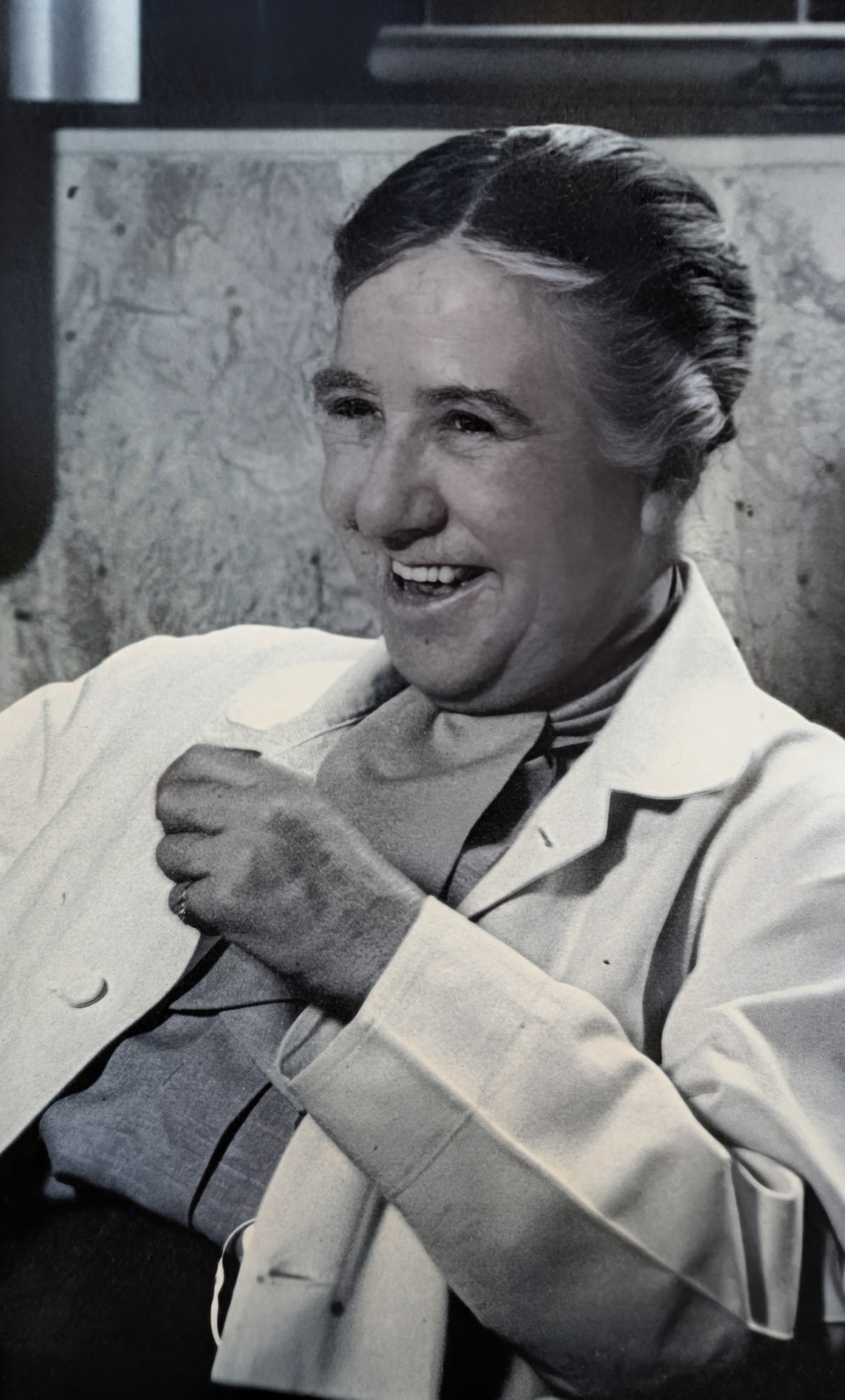
Edith A. Roberts (1881–1977) joined Vassar after completing her PhD at the University of Chicago, becoming a pioneering botanist whose work connected plant physiology, ecology, and community outreach. She discovered that plants produce Vitamin A and founded the nation’s first native-plant Ecological Laboratory, developing propagation methods still used today. Coauthor of the influential American Plants for American Gardens (1929), Roberts helped highlight the beauty and ecological value of Hudson Valley flora and inspired the modern revival of native-plant horticulture.