New England
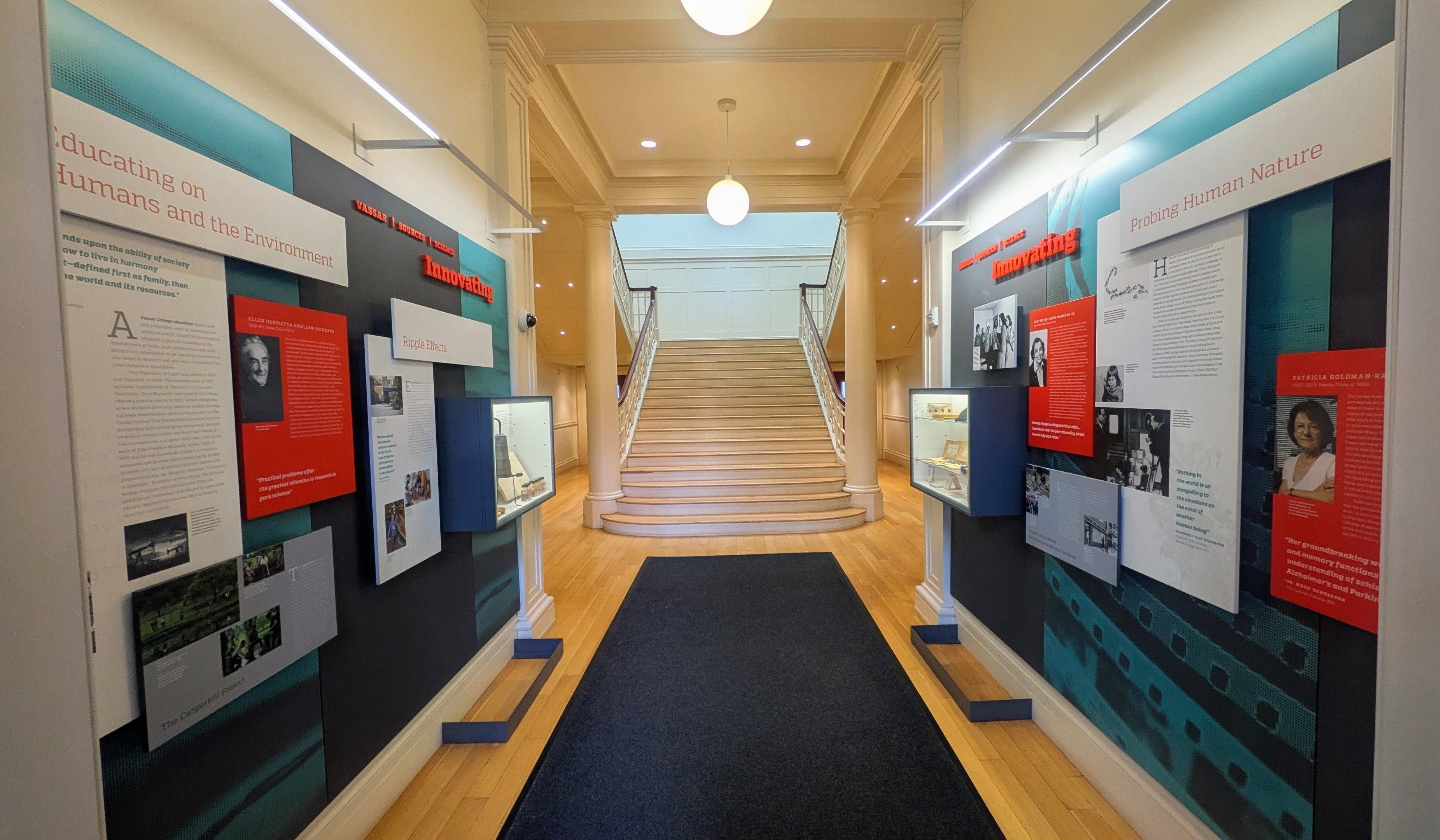
Innovating.
Bridging Humans,
the Environment,
and Their Nature
Vassar’s faculty and alumnae break new ground, shape emerging fields, and inspire fresh ways of teaching through a legacy of interdisciplinary learning and research.
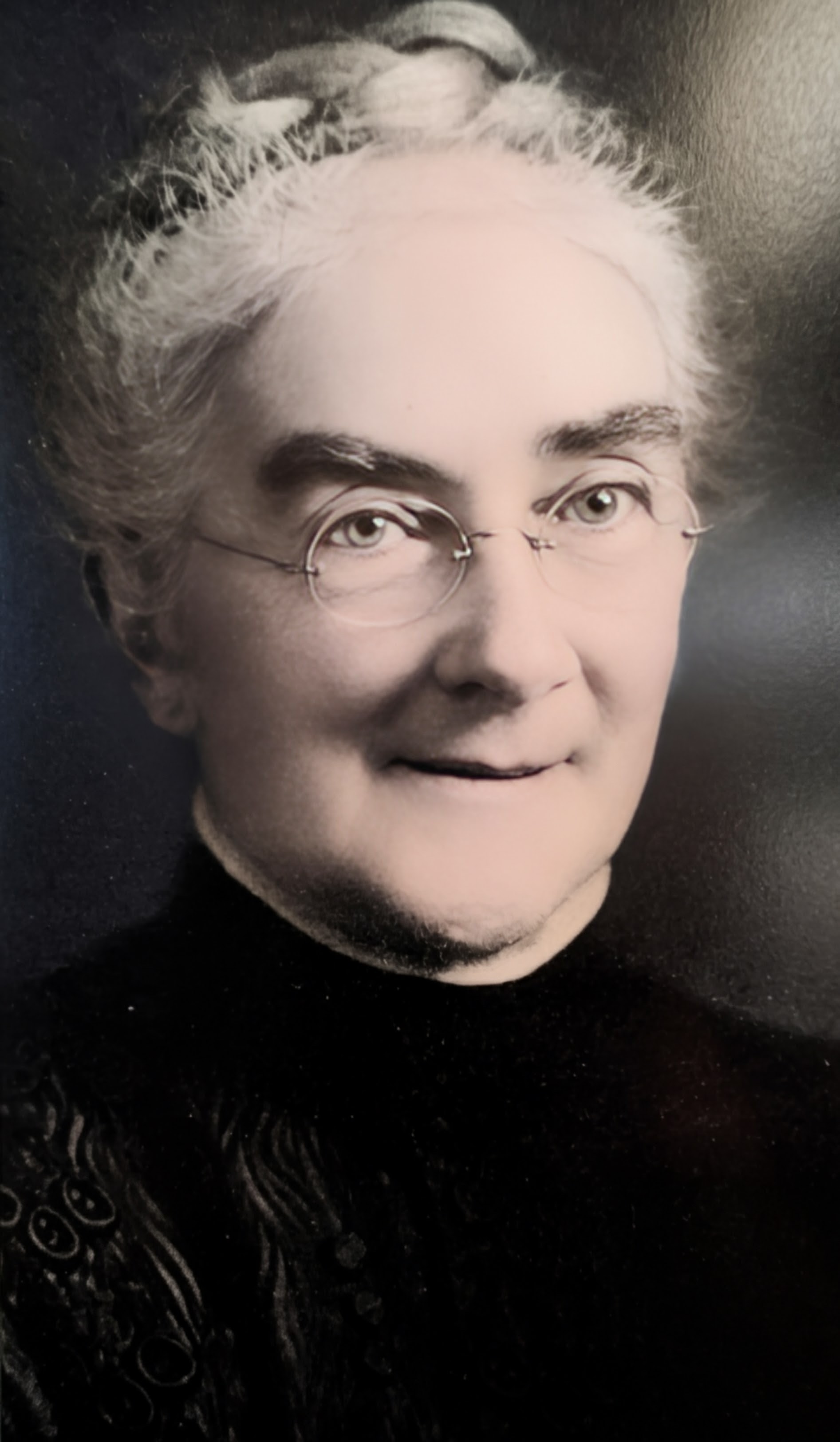
Ellen Swallow Richards was a pioneering scientist, educator, and social reformer who transformed the way we understand the relationship between people and their environment. The first woman admitted to MIT and its first female instructor, she worked across many disciplines—including chemistry, sanitation, public health, nutrition, and education.
Richards believed that science could improve daily life and society, promoting the idea of “a science of the home” as a force for social progress. As a Vassar trustee, she designed one of the first double-drainage septic systems on a college campus, integrating environmental engineering with public health.
A passionate advocate for women’s education and equality, Richards co-founded the American Association of University Women (AAUW) and helped establish both the National School Lunch Program and the American Home Economics Association.
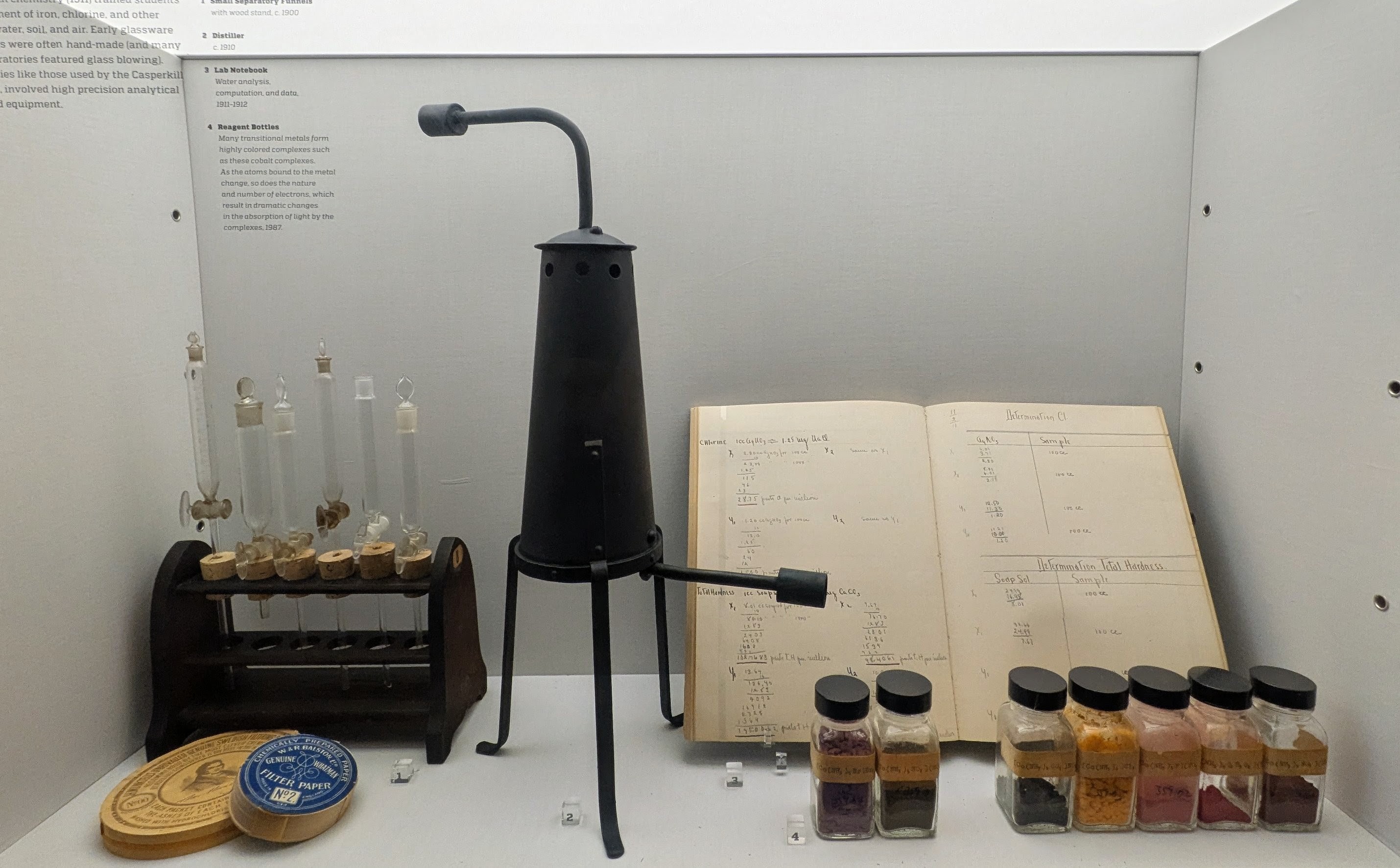
Left) Early 1900s Chemistry Equipment used for water analysis.
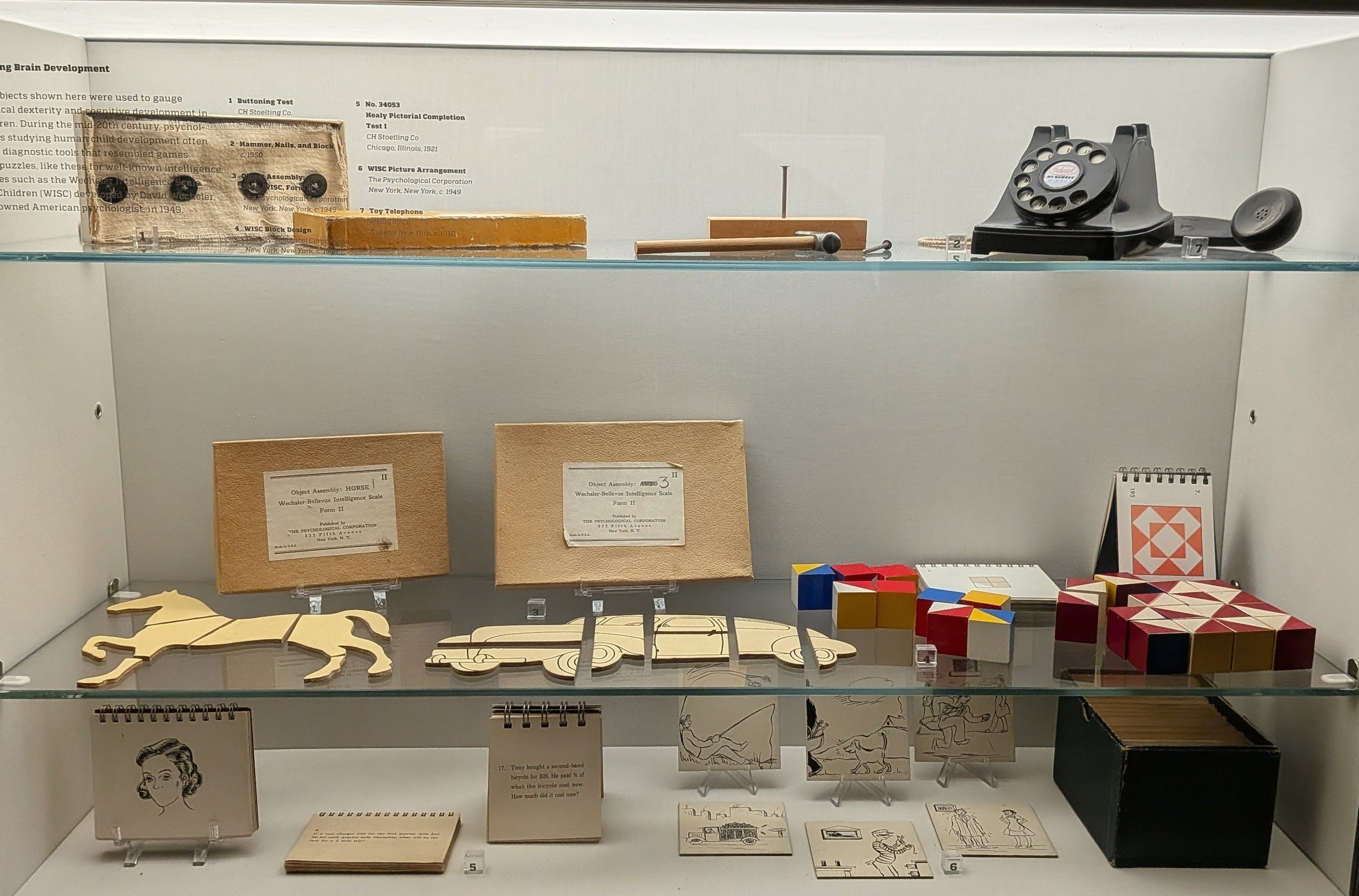
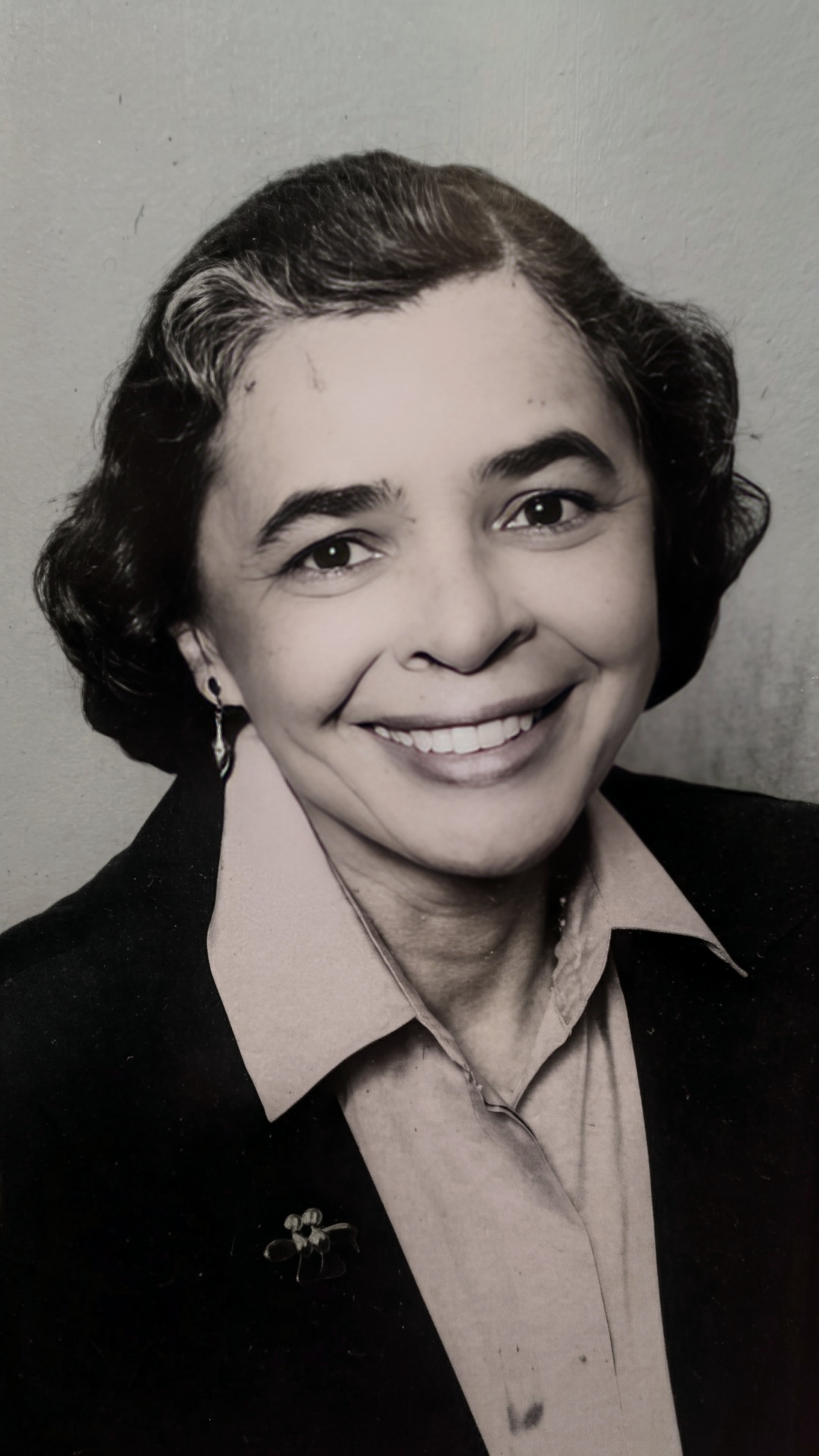
Beatrix “Betty” McCleary Hamburg was a gifted pediatric psychiatrist whose work shifted our understanding of adolescence and behavioral health. The first openly identified Black student to attend Vassar College and the first Black woman to earn a degree from Yale School of Medicine, she built a career connecting psychiatry, developmental science, and public health.
Hamburg’s research examined how biological conditions and emotional development shape adolescent behavior, including studies on diabetes in children and teens. She helped establish adolescence as a series of distinct developmental stages and was a leading figure in peer-to-peer counseling, showing that young people respond strongly to support from their peers.
With her husband, psychiatrist David A. Hamburg, she investigated how children learn to manage conflict and prevent violence—work honored by the David and Betty Hamburg Award for Science Diplomacy.
Right) Toy-like physcial dexterity and cognitive development tools for studying children's motor skills, problem-solving and cognitive growth.