Projects
For more than a decade, VCAP has joined with departments, campus facilities, students, and noted artists to preserve, restore, and interpret artifacts from Vassar’s past, integrating these materials into art installations, scholarly work, and classroom experiences.
Explore the timeline below to discover VCAP’s past and continuing work.
VCAP is Formed, 2011
Vassar has long maintained a strong system for preserving the paper record of the campus through the Library and Special Collections. However, its material culture—its artifacts—were traditionally stored within departments or even in individual faculty offices, often dependent on whoever occupied the space at the time. As a result, many objects central to Vassar’s history were lost over the years.
After several decades of intermittent efforts by various faculty and staff, VCAP was formally established through the initiative of Kate Susman and Rick Jones. Support from senior administration, combined with the momentum created by the science building renovations, helped solidify the program and expand campus interest. From the outset, student involvement has been essential to VCAP’s preservation work.
Materials Preserved from Sanders Physics Attic, 2011
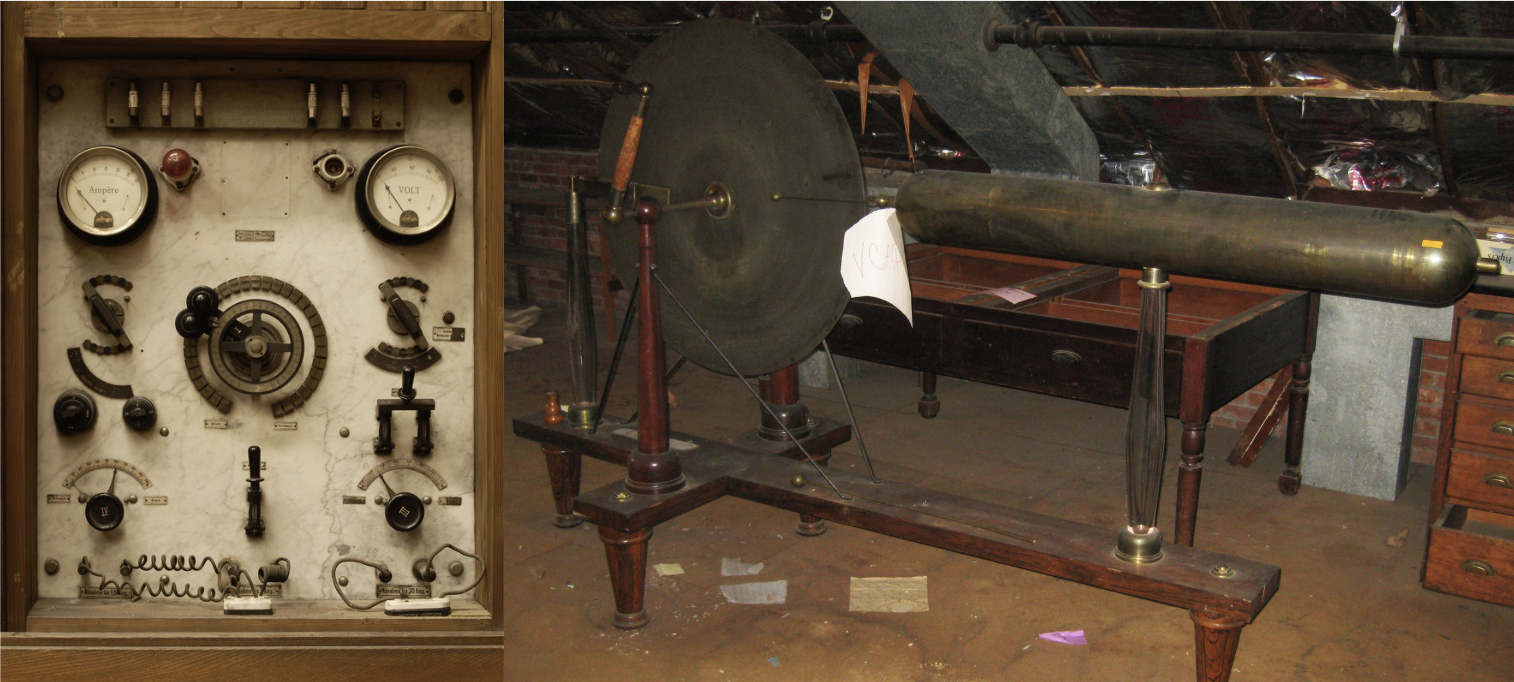
During the science building renovations, VCAP played a key role in archiving a wide-ranging collection of materials representing 150 years of the College’s history. This effort not only created the core seed of what would become VCAP’s artifact holdings, but—more importantly—established both a protocol and a campus-wide awareness that there was now an organization dedicated to the responsible preservation of Vassar’s material culture.
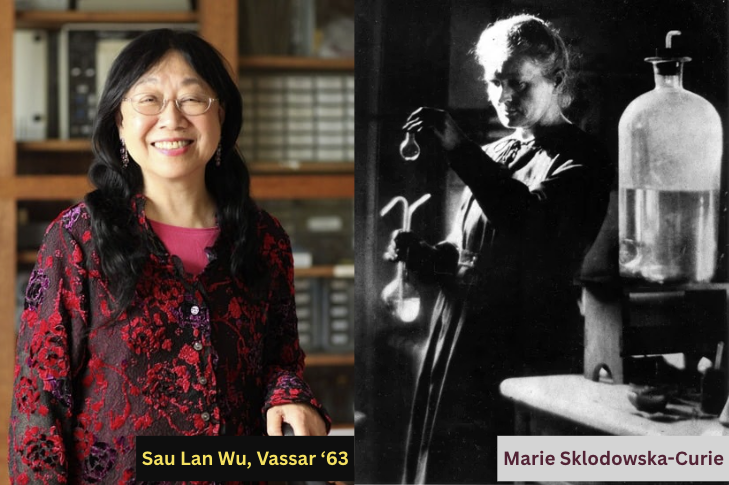
Temporary Displays in Sanders Physics, 2012
As the first building to be restored in the new science quad, Sanders Physics served as an early site for VCAP’s interpretive work. VCAP researched stories and selected artifacts to create temporary signage and displays that acted as placeholders for the future Science InSight installations. These signs ultimately remained in place and have become a semipermanent feature of the building.
Science InSight (Science Building Renovations), 2012–2013 to Present
VCAP collaborated with exhibit designers Poulin + Morris to select and restore artifacts for display in the newly renovated science buildings as part of Vassar’s 150th anniversary. VCAP also led the creation of original text and research for these installations, drawing on contributions from across the campus community.
Since the original installation, VCAP has continued to monitor, maintain, and periodically rotate the exhibits and accompanying text. The program has also expanded to include new displays in additional locations—such as various classrooms and common areas across Olmsted, the Bridge for Laboratory Sciences, and Sanders Physics.
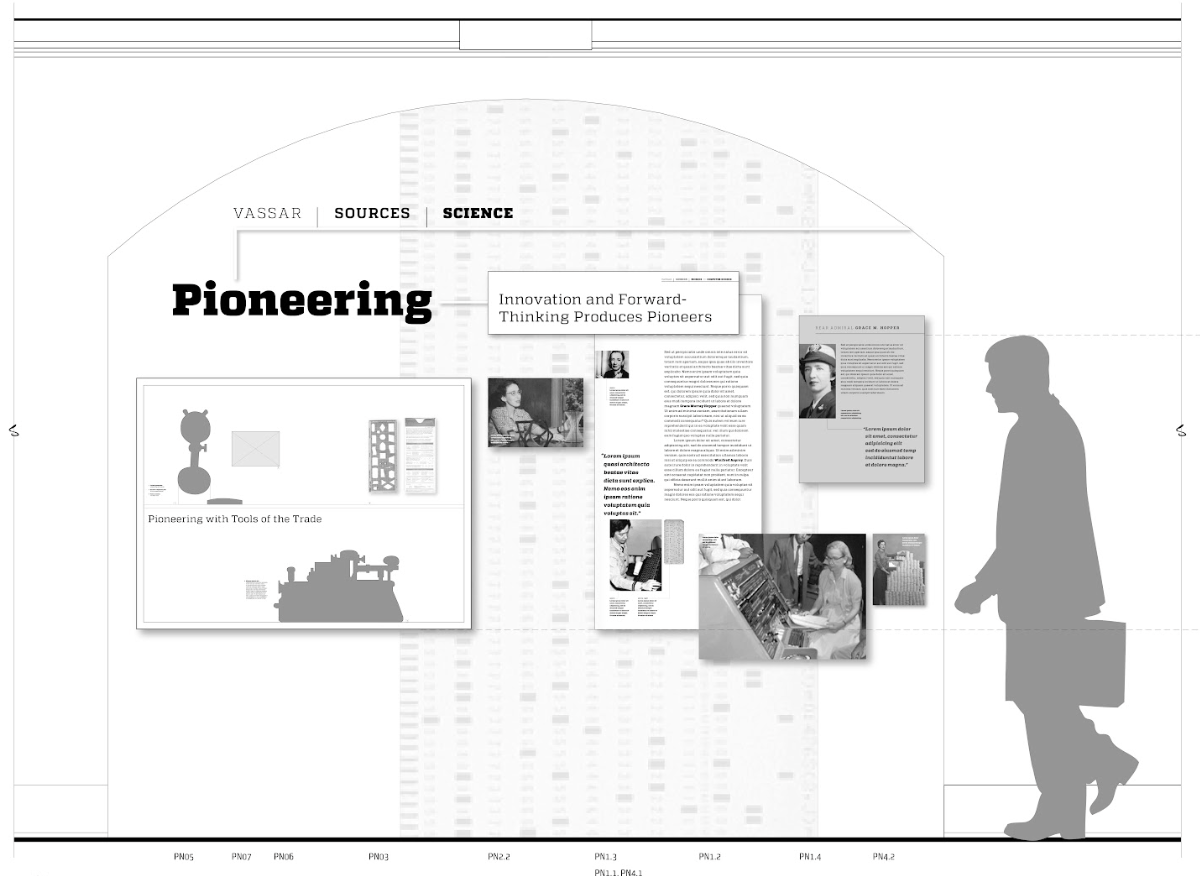
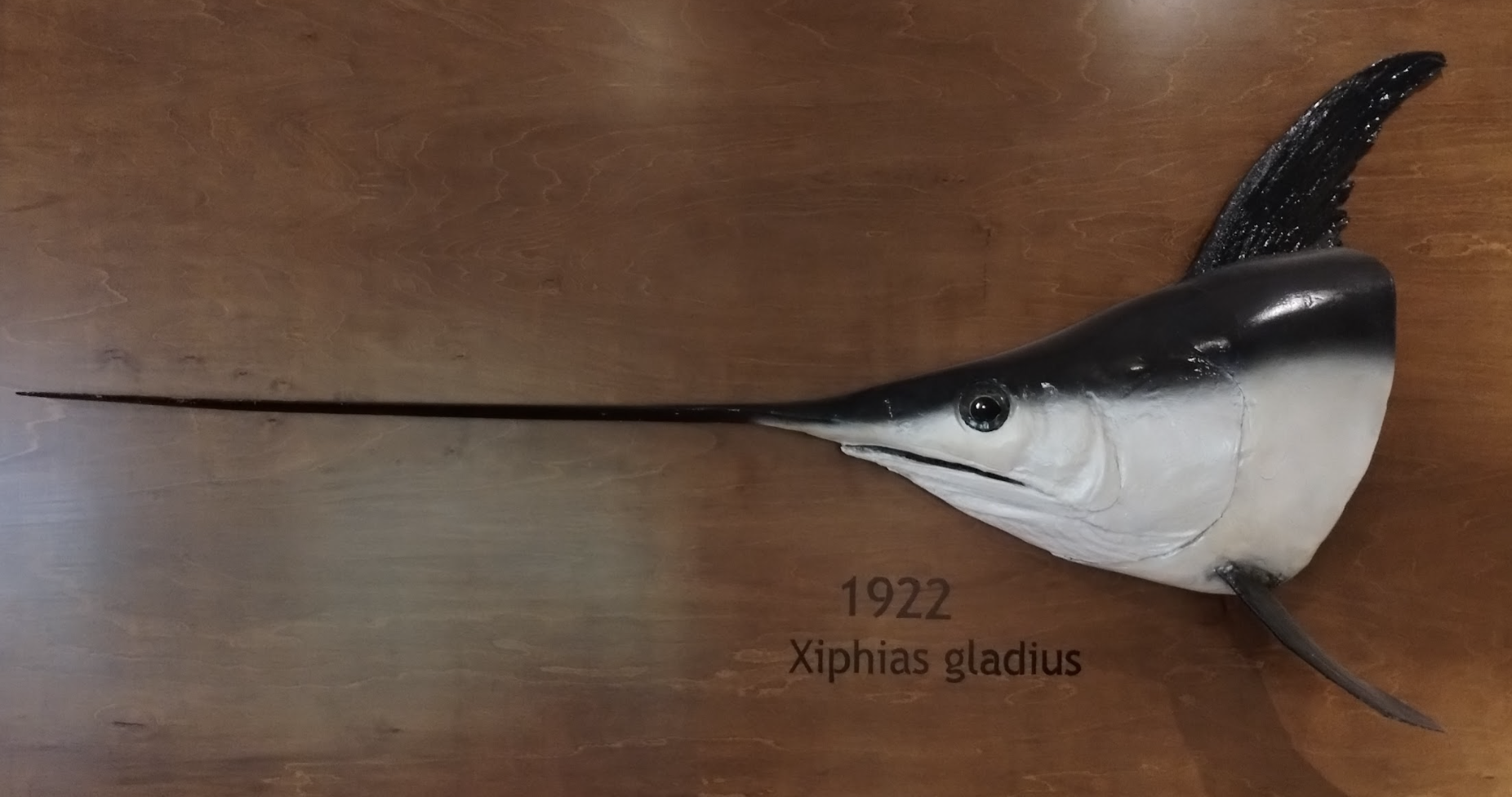
Swordfish Restoration, 2013
A taxidermied swordfish, originally donated in 1922, was removed from the Women’s Studies office in New England during renovations. VCAP took possession of the specimen and arranged for its restoration by Fin and Feather Taxidermy in Highland, NY.
Mudd Chemistry Artifacts, 2015
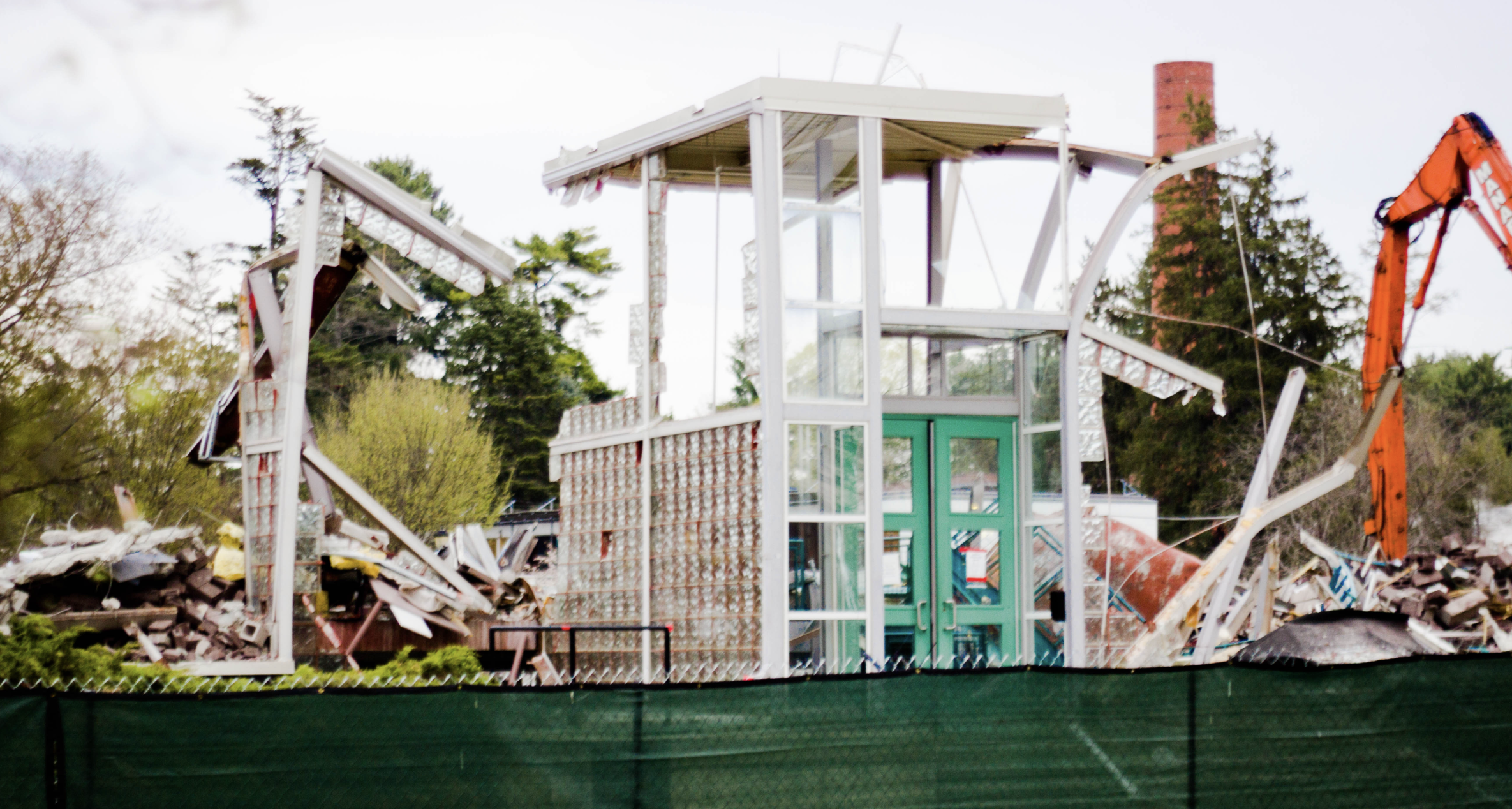
Before the demolition of Mudd Chemistry, VCAP took possession of historical artifacts, many of which dated back to the earlier Vassar Brothers Laboratory, demolished in 1938.
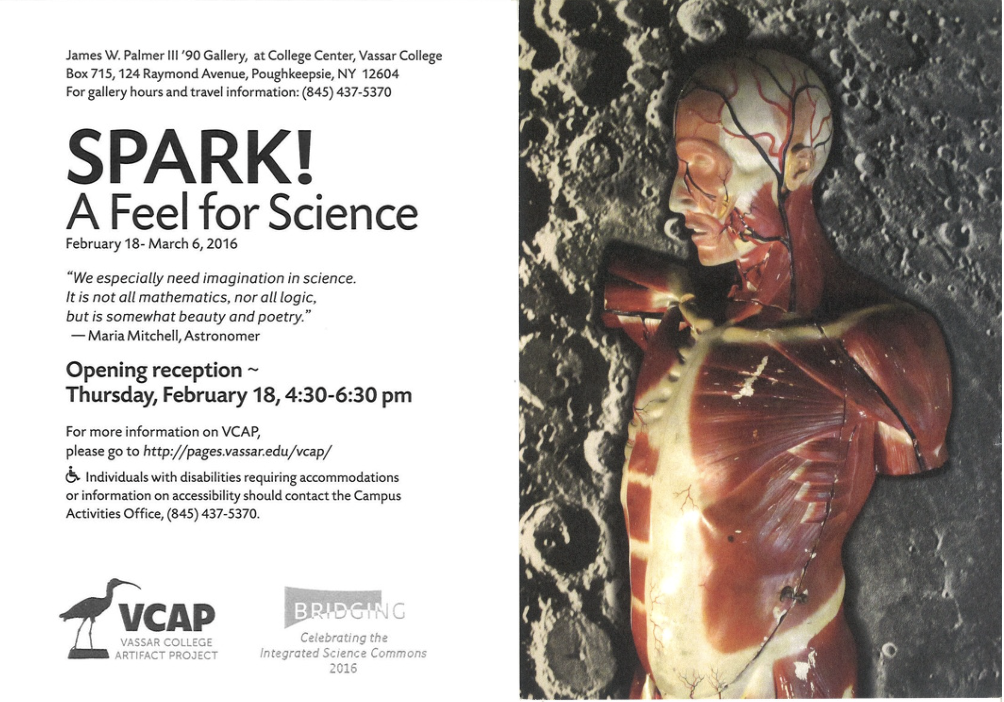
Spark! A Feel for Science, 2016
An exhibition in the Palmer Gallery on Science and Creativity. Artifacts were chosen and displayed to enhance the story of creativity in science being told by science faculty from across many disciplines. Curated by Rick Jones.
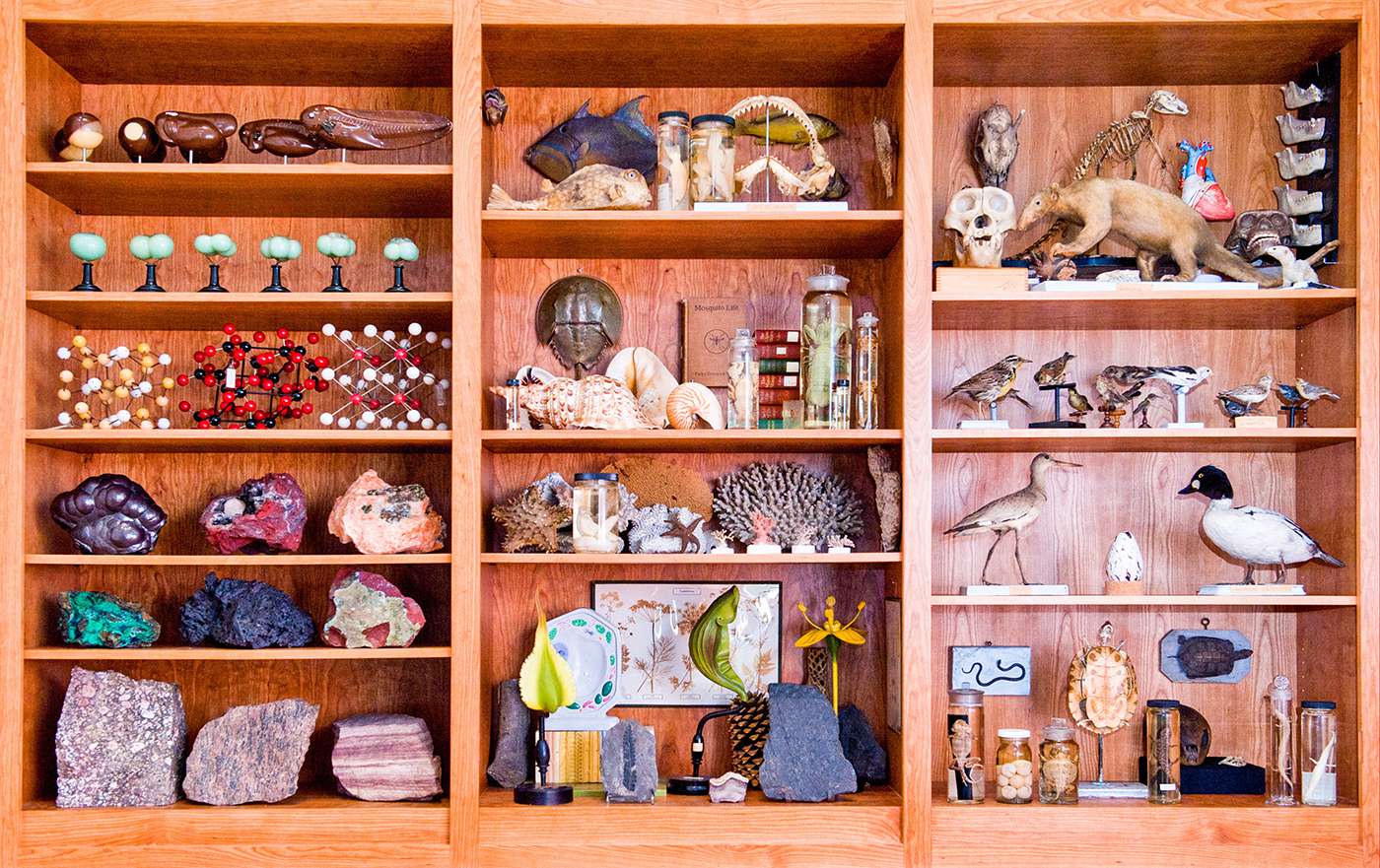
Universal Collection: A Mark Dion Project, Lehman Loeb Gallery, 2015–2017
VCAP contributed significant resources—including materials, guidance, and written support—to the publication Universal Collection and to Mark Dion’s installation at the Lehman Loeb Art Gallery. The project incorporated hundreds of collected objects, approximately half of which came from VCAP.
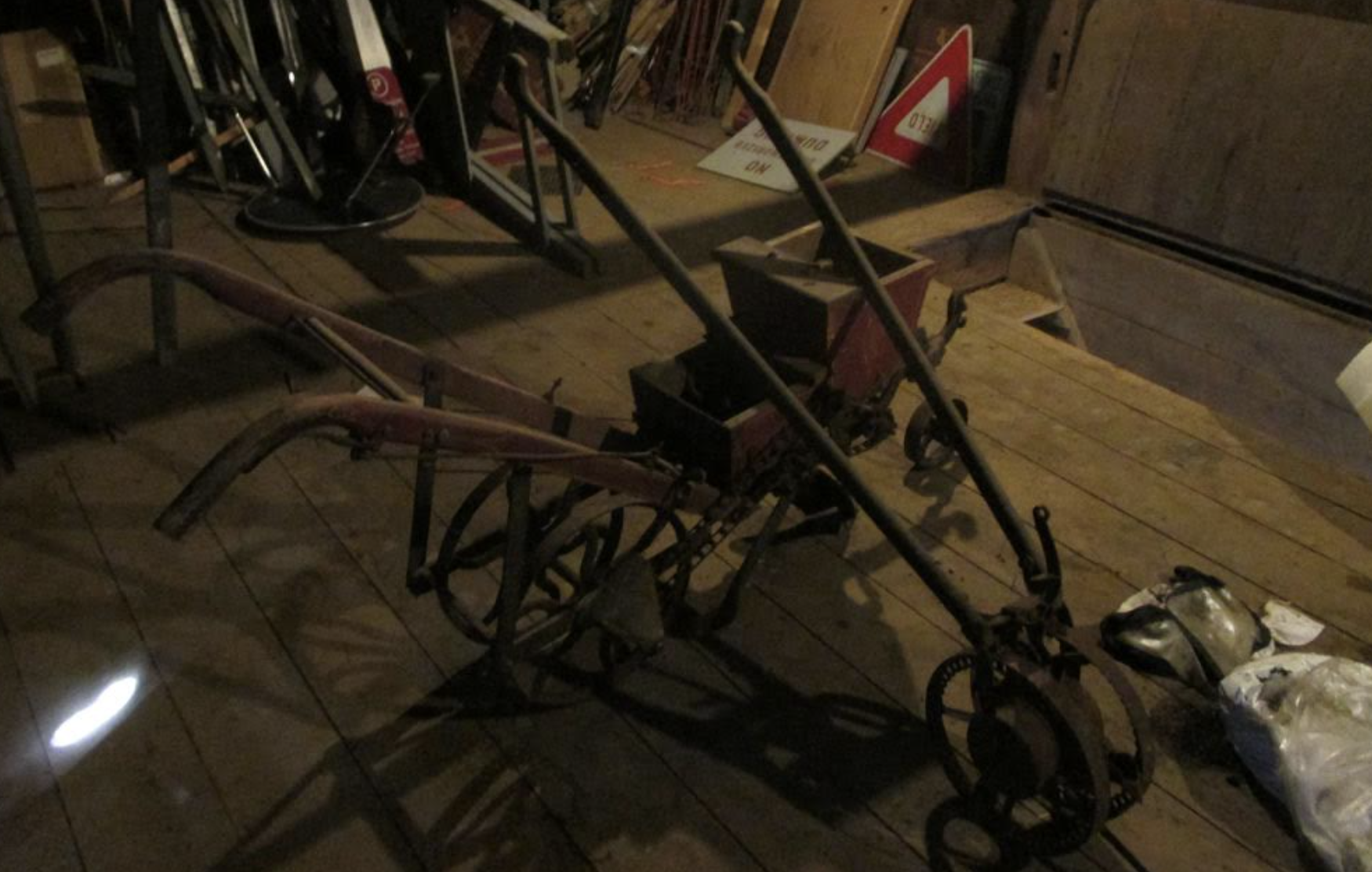
Skinner Barn Demolition, 2017
Upon learning from Grounds that the Skinner Barn would be demolished, VCAP retrieved artifacts associated with student work on the Vassar Farm in the early 1900s. Items such as seeding machines, scythes, rakes, and a vintage Vassar College mailbox are now preserved within the VCAP collections.
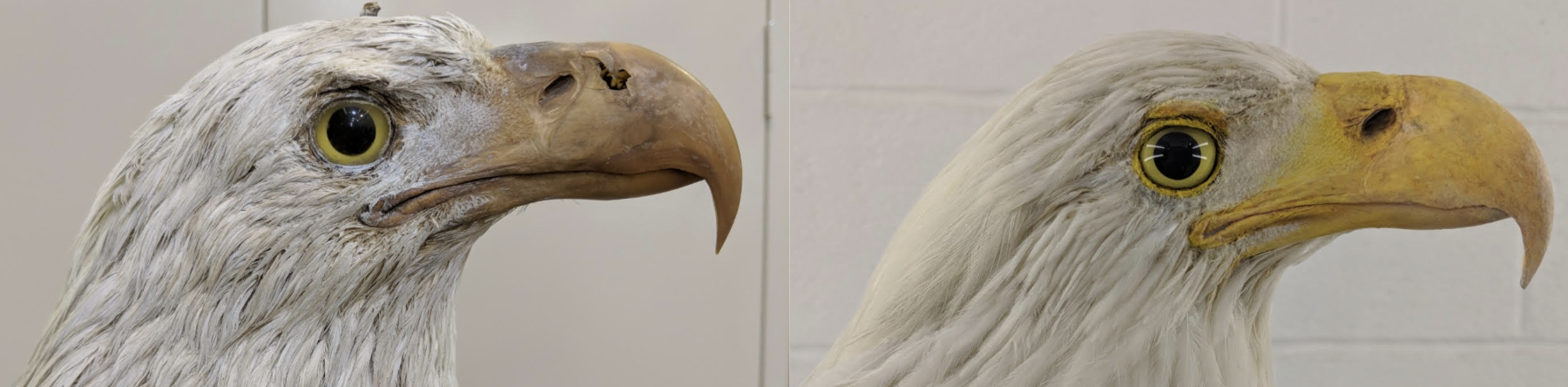
Restoration of Bald Eagle, 2018
Organized by VCAP and funded by the Giraud Preservation Fund. The Bald Eagle mount was in poor condition and selected as a demonstration project to showcase restoration possibilities and responsible stewardship within the collection.
Class of ’51 Observatory Displays, 2018
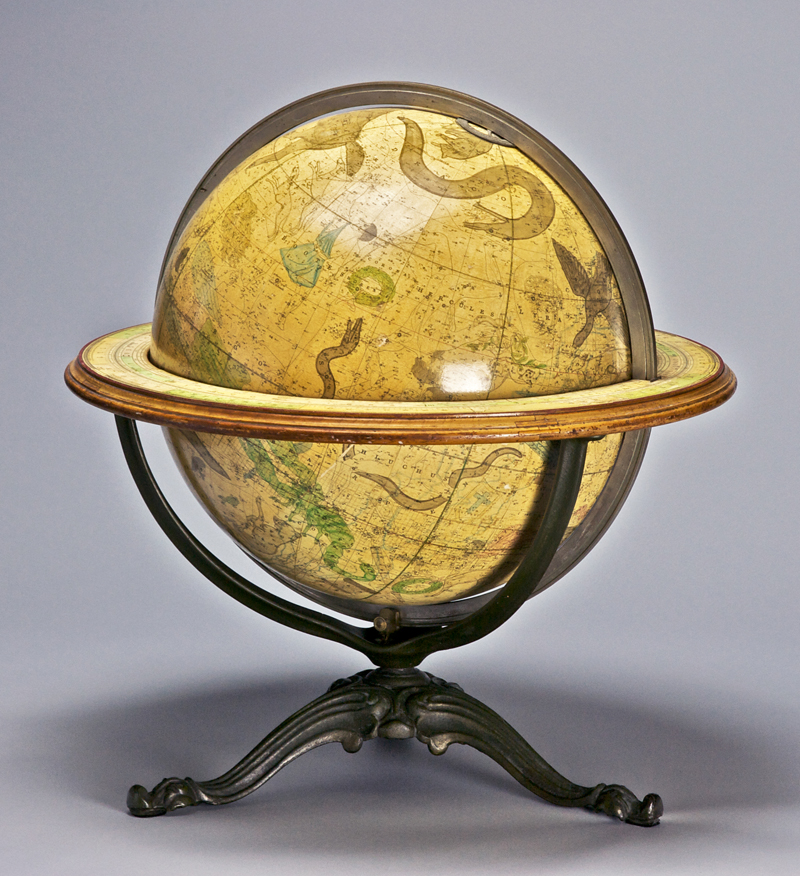
VCAP assisted the Astronomy Department to develop new interpretive displays for the Class of ’51 Observatory classroom. The team located objects from the collection, curated accompanying text, and oversaw the fabrication of a custom display and mount—built by an outside contractor—for the Observatory’s 72-pound meteorite.
Mirit Rutishauser, VC ’19, Environmental Studies, May 2019
“The Destructive Beauty of Invasives” Senior Thesis
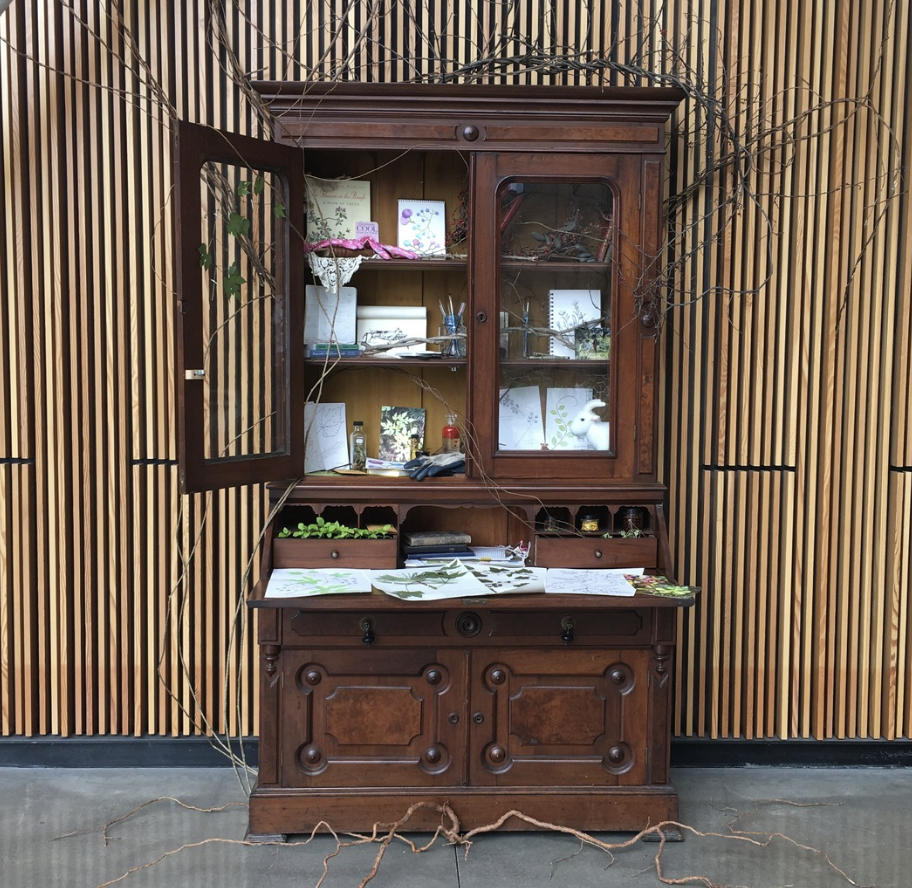
VCAP provided assistance, furniture, and select artifacts to Mirit Rutishauser for their final thesis project, a Cabinet of Curiosity exploring invasive plants.
The Seagull, by Anton Chekov, Drama Production, April 2019
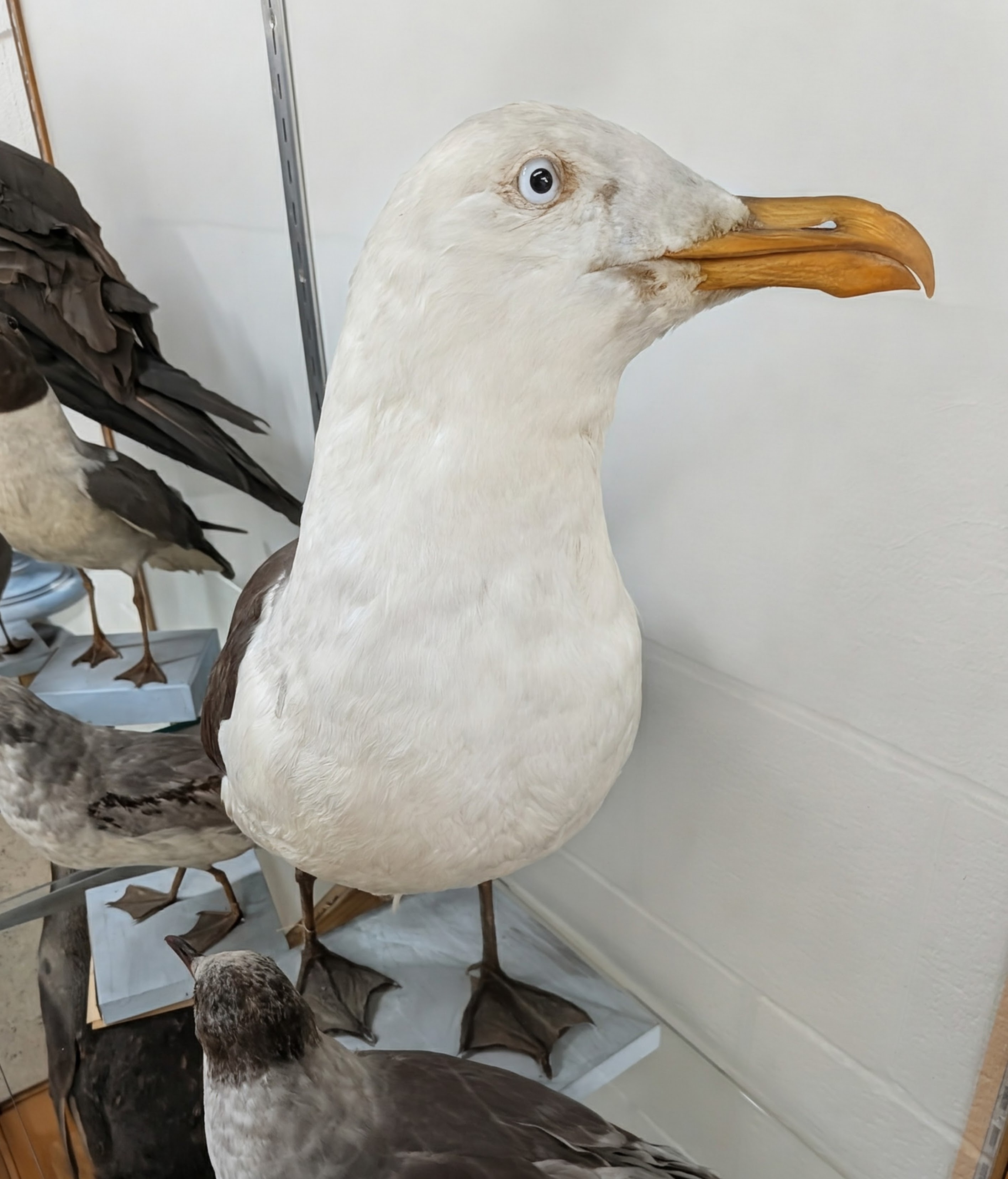
For the Drama Department’s production of The Seagull, VCAP provided a taxidermied seagull and ensured safe handling for both the specimen and the production team. Since then, VCAP and the Drama Department have collaborated on several additional productions requiring specialized props.
Native American Graves Protection and Repatriation Act, 2019
Although VCAP had limited expertise with NAGPRA requirements, it nonetheless played an important role in the repatriation of Native remains and artifacts. VCAP staff assisted by searching collections, identifying likely repositories of materials, and providing key information during the early stages of the process. Co-Directors Kate Susman and Rick Jones guided much of this complex and sensitive work through to completion.
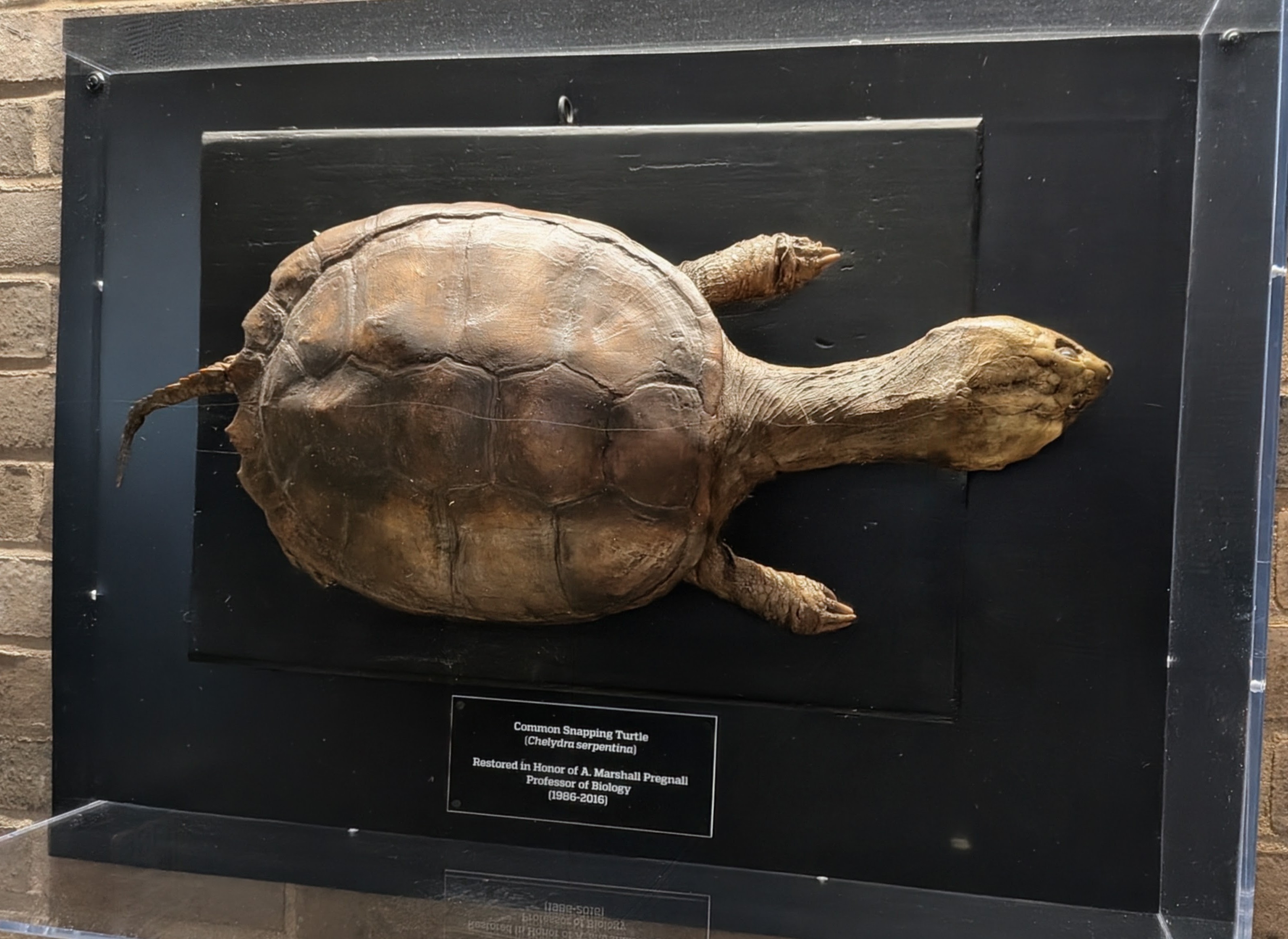
Restoration of Snapping Turtle, 2019
Organized by VCAP in honor of Marshall Pregnall and funded by the Giraud Preservation Fund, the snapping turtle specimen was professionally restored by Wildlife Preservations in New Jersey. It is now on display in the Bridge for Laboratory Sciences, outside the Biology and Chemistry office.
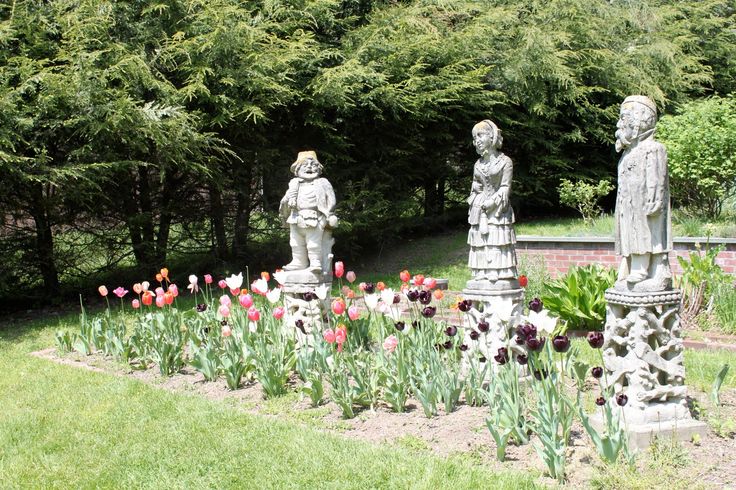
Shakespeare Garden Statues, 2021
These three sandstone statues, along with two urns, once belonged to Matthew Vassar, purchased during his travels in Italy, and originally lined the drive at his personal estate, Springside. During renovations to the Shakespeare Garden, the pieces disappeared—at one point, a broken-off head was even rumored to be serving as a campus organization’s mascot. In collaboration with concerned members of the campus community, Rick Jones, co-Director of VCAP, located the statues discarded in the weeds on the Farm. With the expertise of Loeb staff and their connections to professional art conservators, the statues were repaired and have since been returned to the Shakespeare Garden.
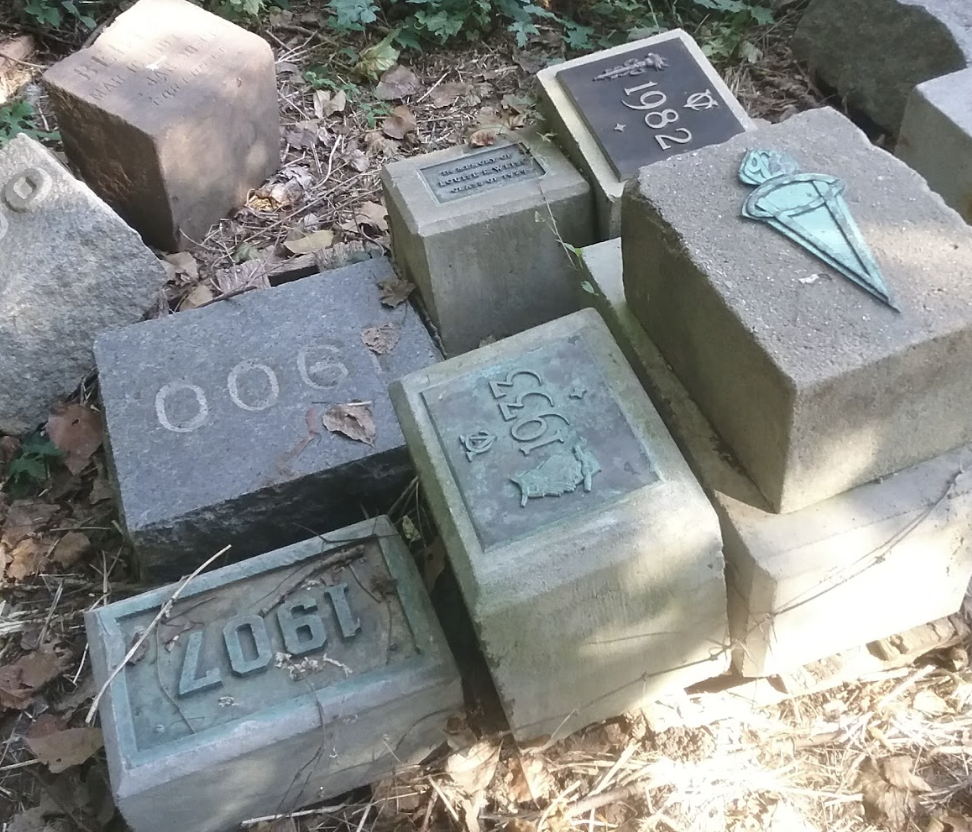
Class Tree Markers, 2021
Similar to the Shakespeare Garden statues, most of the Class Tree markers had been removed from campus and discarded in a large pile on the Farm. VCAP brought attention to their disappearance, and the markers have since been returned to campus, once again commemorating the generations of students who came before.
Astronomy Shed, 2022
Slated for demolition, one of the two original astronomy sheds from the grounds in front of the Old Observatory was stabilized, painted, and relocated to the Vassar Farm in the 1980s (the other was moved to Hyde Park, NY). In 2022, when the adjacent O’Meara House was turned over to the Arlington Fire Department for a training exercise, the shed was also planned to be used in the burn.
VCAP, the Science, Technology, and Society Program (STS), and other advocates intervened, documenting the shed’s significance—from its connections to renowned alumnae such as Vera Rubin to its earlier use by the seven astronomy students of Maria Mitchell. Thanks to these efforts, the shed was saved and stabilized once again. Discussions about its full restoration and future use are ongoing.
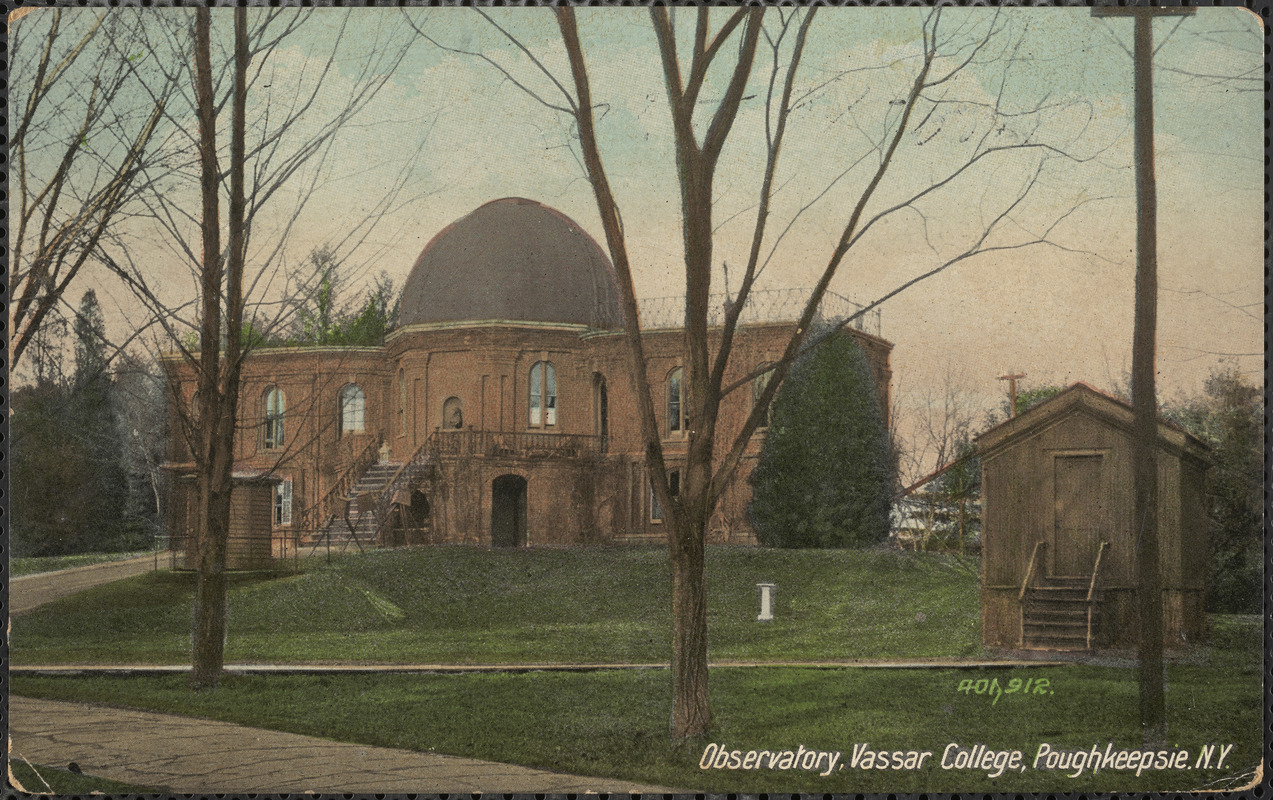
Millstone, 2022
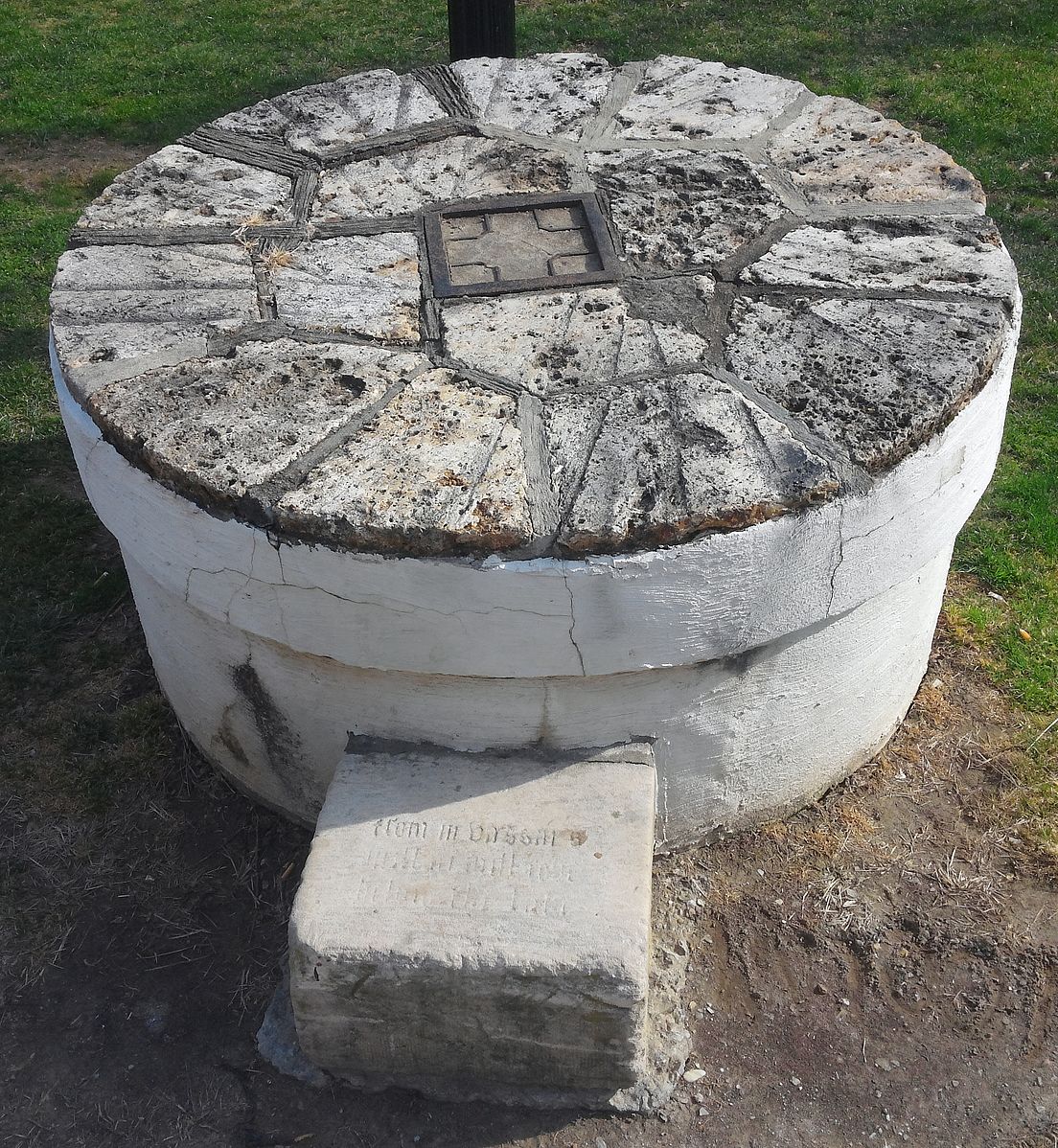
Several historic millstones were placed around campus in the 1920s by President MacCracken, and the one in front of Rockefeller Hall had fallen into disrepair. During its restoration, VCAP collaborated with the Native American Advisory Committee to develop a new interpretive legend that now shares the millstone’s story and aligns with Vassar’s Land Acknowledgement.
German 374: Magic Mountain, Class of Elliot Schreiber, Spring 2022
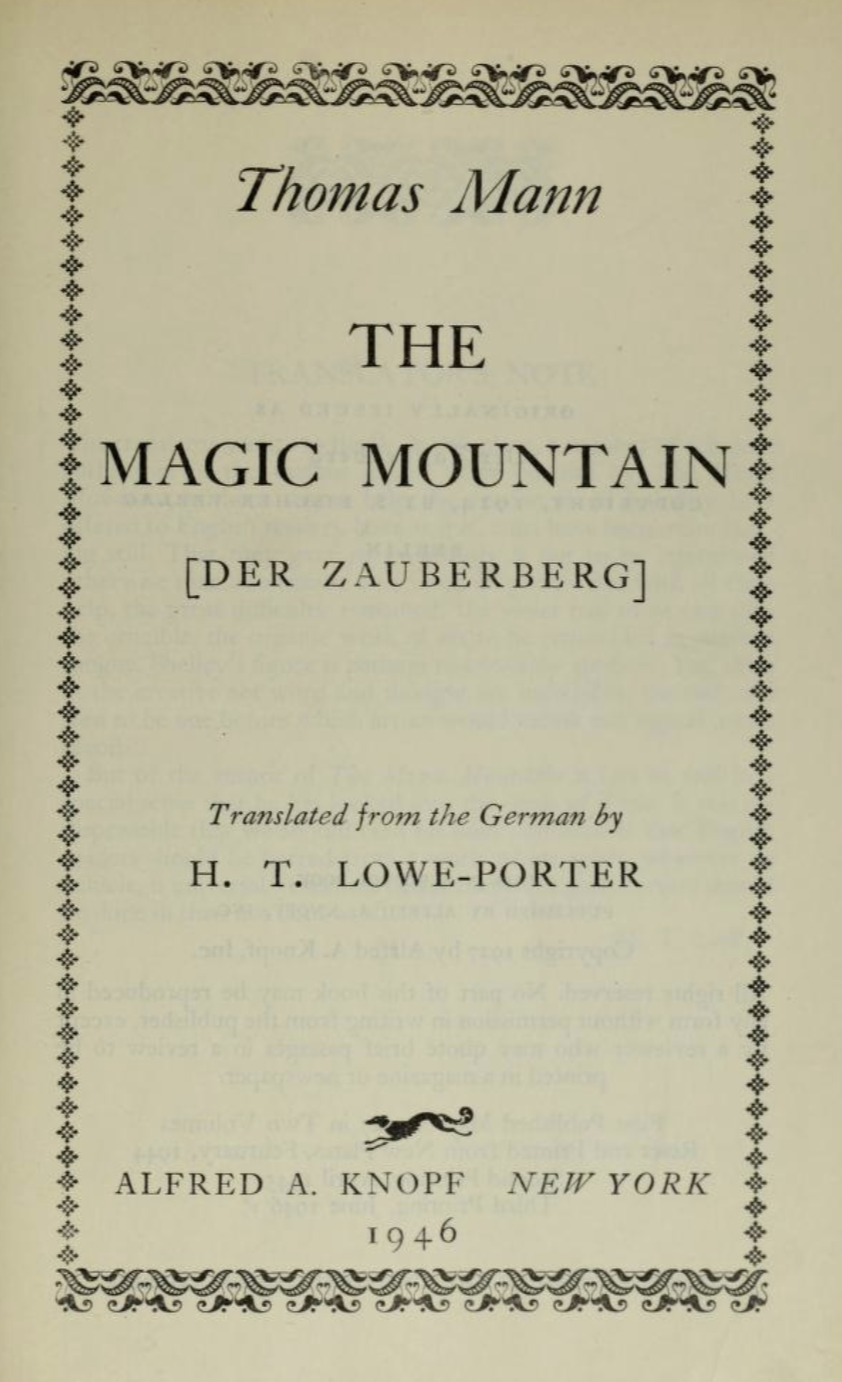
In examining Thomas Mann’s The Magic Mountain, students curated artifacts that embodied the novel’s central themes—time, health, family, etc. VCAP supported the class by guiding artifact selection and providing exhibit materials and design assistance for a display in Chicago Hall.
Lehman Loeb Basement Materials, 2023
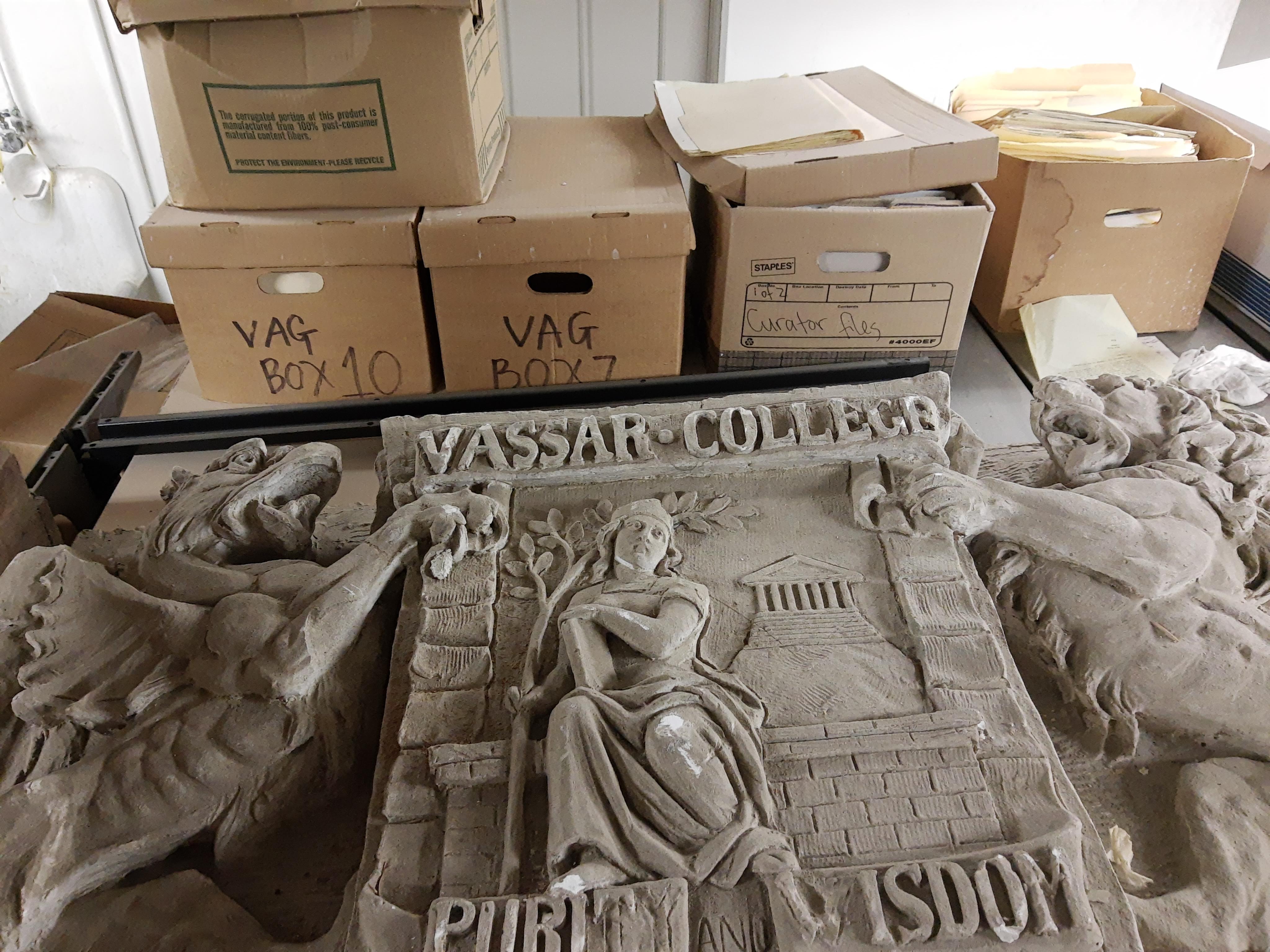
VCAP assumed stewardship of materials recovered from the deteriorating basement of the Lehman Loeb Art Center. The collection includes plaster casts from the Art Department’s former teaching collection, plaster models for the sandstone sculptures on Taylor Hall, and a range of historical teaching materials.
Allison Carranza, VC ’23, Environmental Studies, April 2023
“Shifting Perspectives: The Evolution of Value in Natural History Specimens at Vassar College”
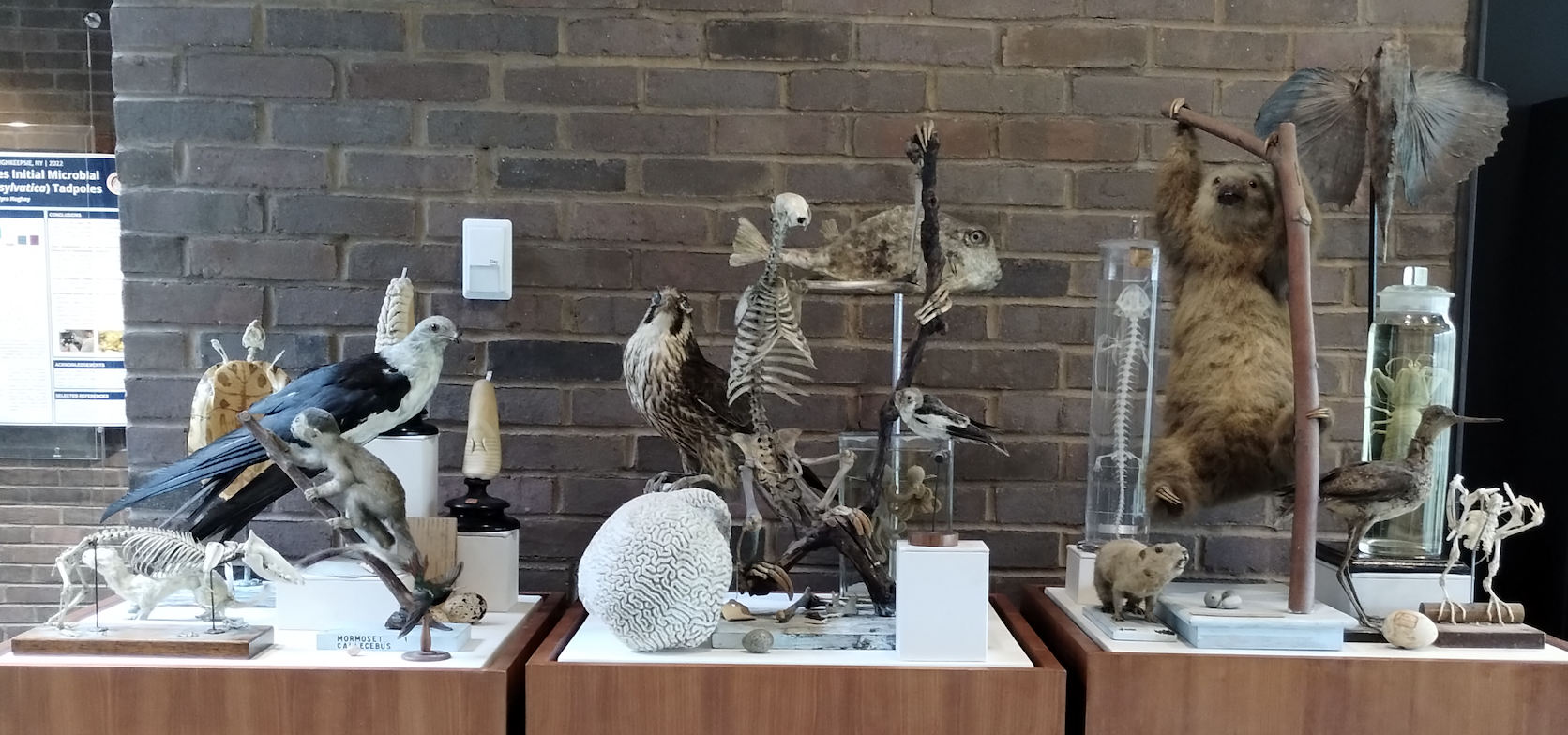
For her senior thesis, Carranza created a Wunderkammer examining the historical and contemporary uses of natural history specimens at Vassar. VCAP provided support through specimen guidance, assistance sourcing materials, and instruction on mounting a gallery-style exhibition.
Jordana Judd, VC ’23, April 2023
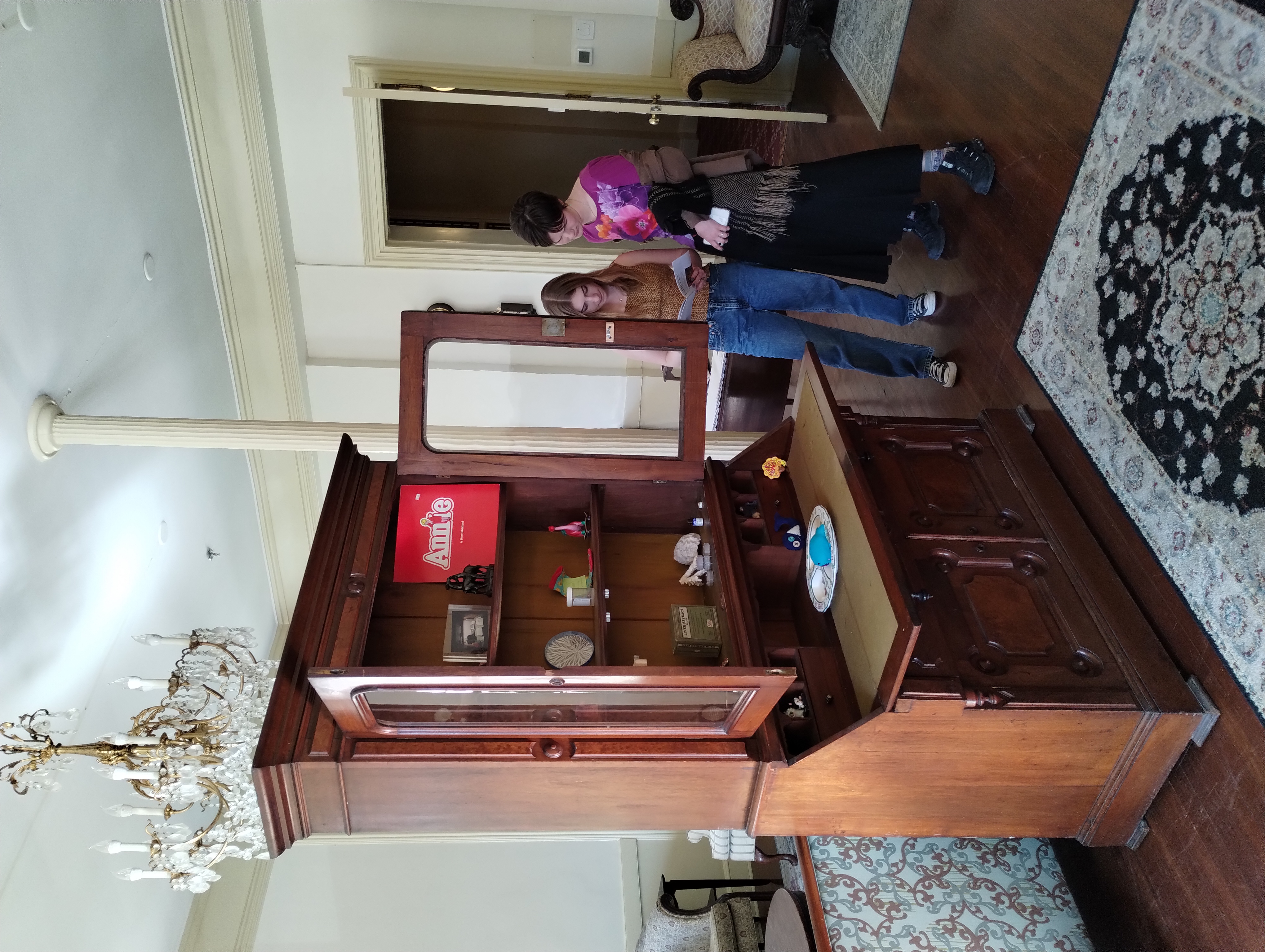
“Cabinets on Campus: Reimagining the Museum through the History of Collecting”
For her thesis project, Judd examined the history of collecting to reimagine the concept of the museum. VCAP supported the project by providing guidance, advice, and a cabinet, which was used in the thesis presentation in the Rose Parlor of Main Building.
Moa Preserved from Art Studios, 2023
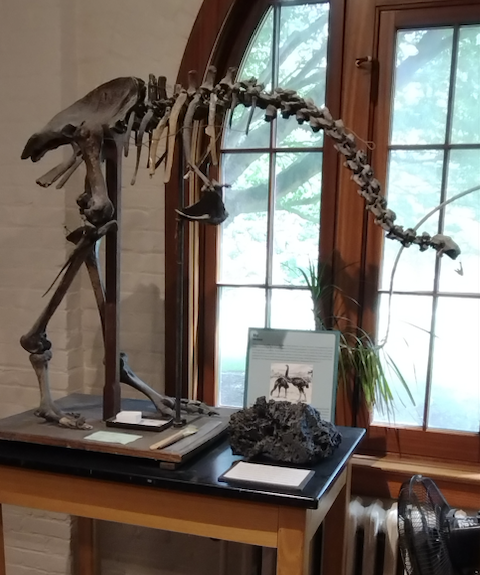
During the renovation of the Doubleday Art Studios, VCAP was alerted to a large bird skeleton in severe disrepair. Upon examination, the specimen was identified as an extinct Moa from New Zealand. VCAP transferred the artifact to the Natural History Museum in Ely Hall, where it has since been cleaned. Ongoing discussions are focused on appropriate restoration and potential repatriation.
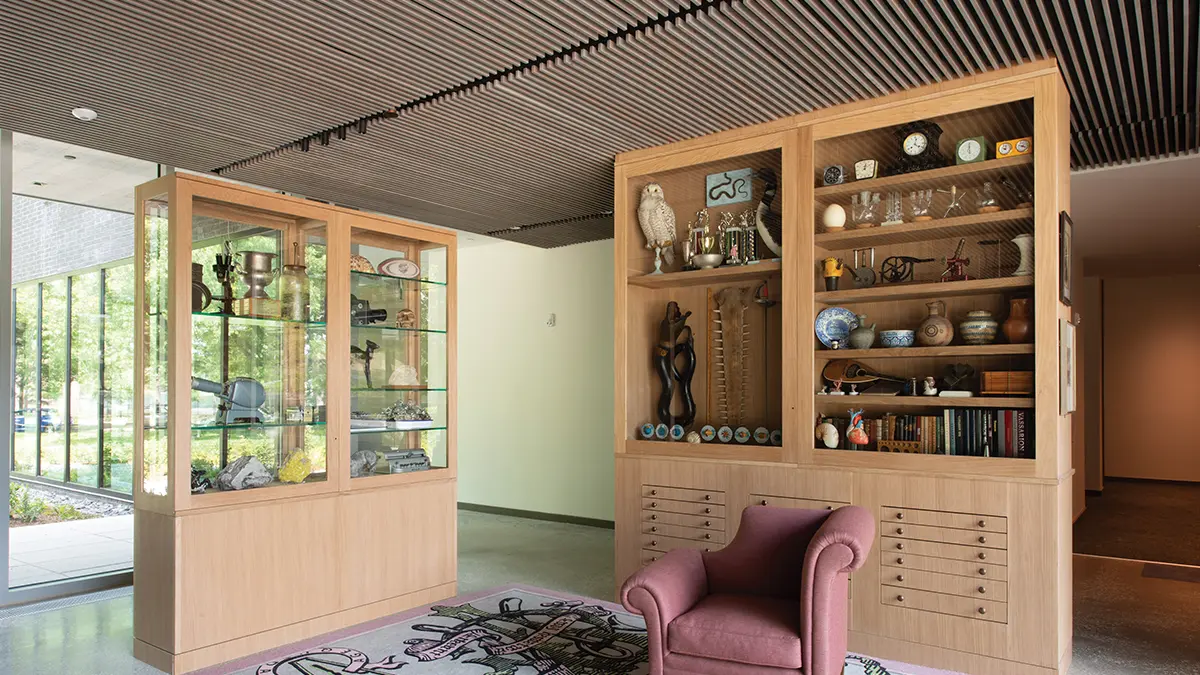
The Vassar College Atheneum: A Mark Dion Project, The Inn and Institute for the Liberal Arts, 2023 to Present
VCAP reprised its role as supplier, collector, and advisor for the second Mark Dion project on campus, providing objects and logistical support throughout the development of the Atheneum installation.
Plymouth Rock, New England Building, 2023
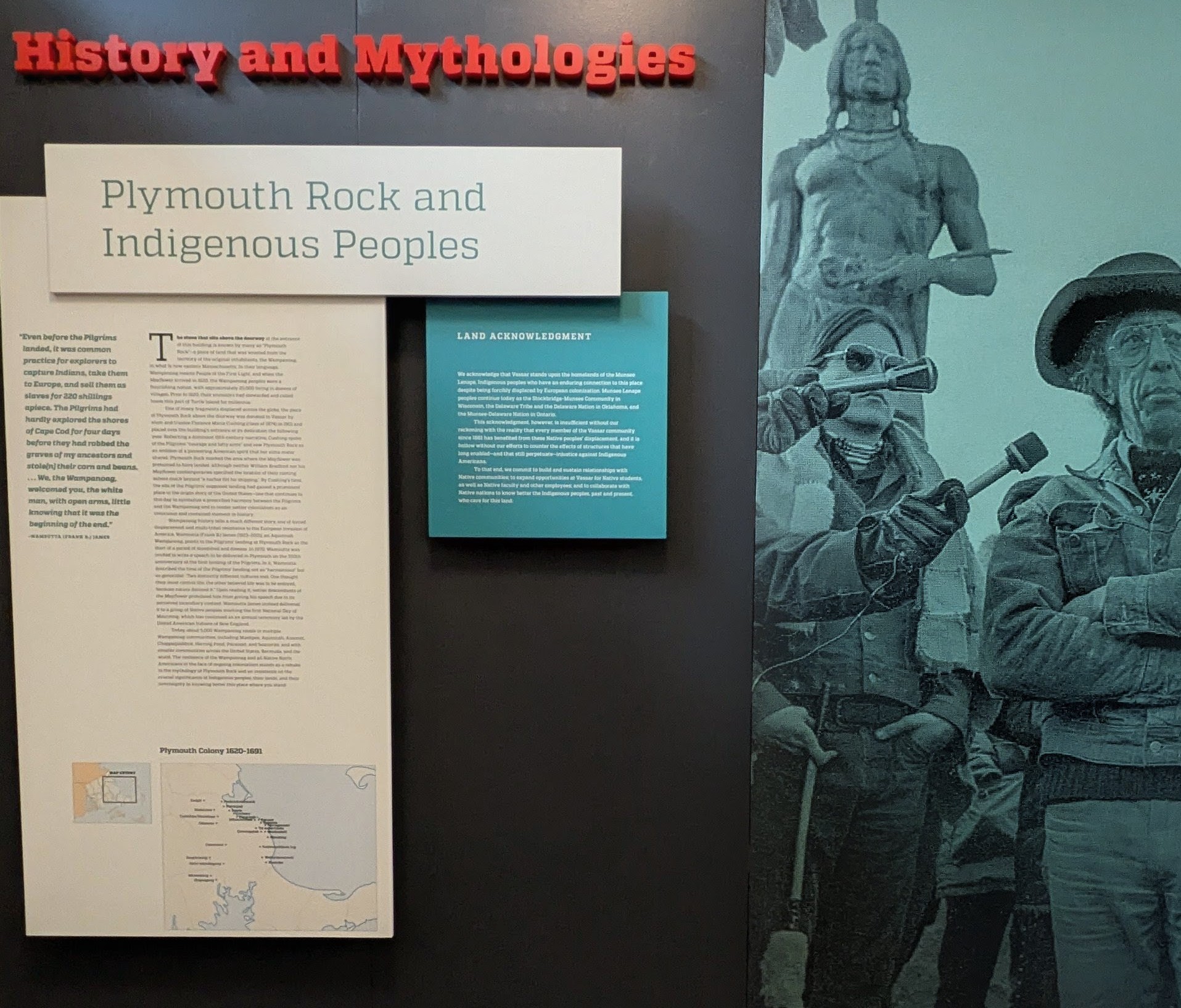
VCAP, in collaboration with the Native American Advisory Committee, provided research and historical imagery to support the design of new interpretive signage contextualizing the fragment of Plymouth Rock within a modern culturally informed framework.
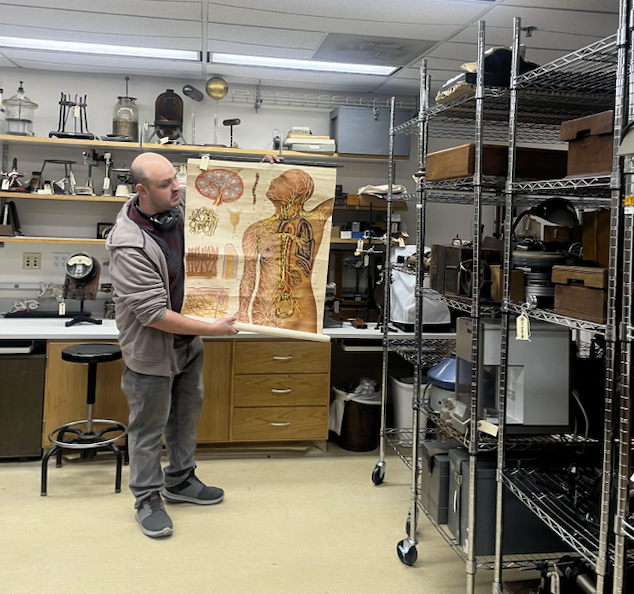
VCAP Collections Reorganization and Digital Expansion, 2025–2026
VCAP is currently undergoing a full re-cataloging and reorganization following its move from unsuitable storage spaces. Four student assistants are actively involved in cataloging, researching, and conserving artifacts. Thanks to the efforts of Steven DiMeglio of the Biology Department—now working with VCAP—our growing social media presence has begun generating significant buzz. He has also been instrumental in developing a new website that will feature the expanding catalog of VCAP artifacts.
Arbor Day Time Capsule Opening, 2026
As part of the Arboretum Celebration, VCAP opened the Class of 1884 time capsule to the community. The event featured a presentation on the history of the class tree tradition, along with a poster collage showcasing class tree plaques.
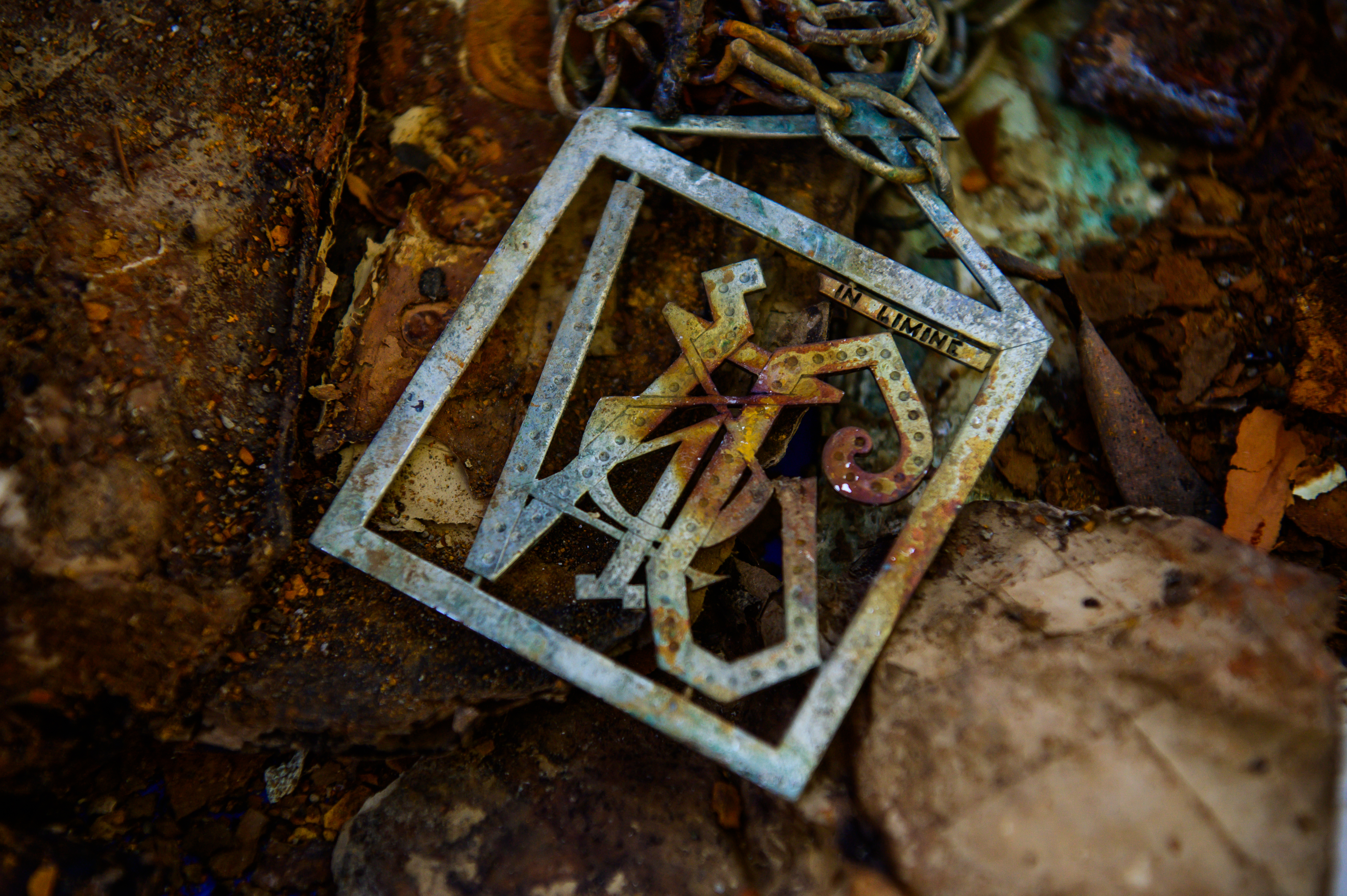
Notable contents of the capsule included a collection of class records sealed with a wax stamp and secured with an ornamental VC84 chain, as well as a stack of sealed letters. Unfortunately, the capsule had cracked underground and become waterlogged, resulting in the loss of most of its contents.