Sanders Physics
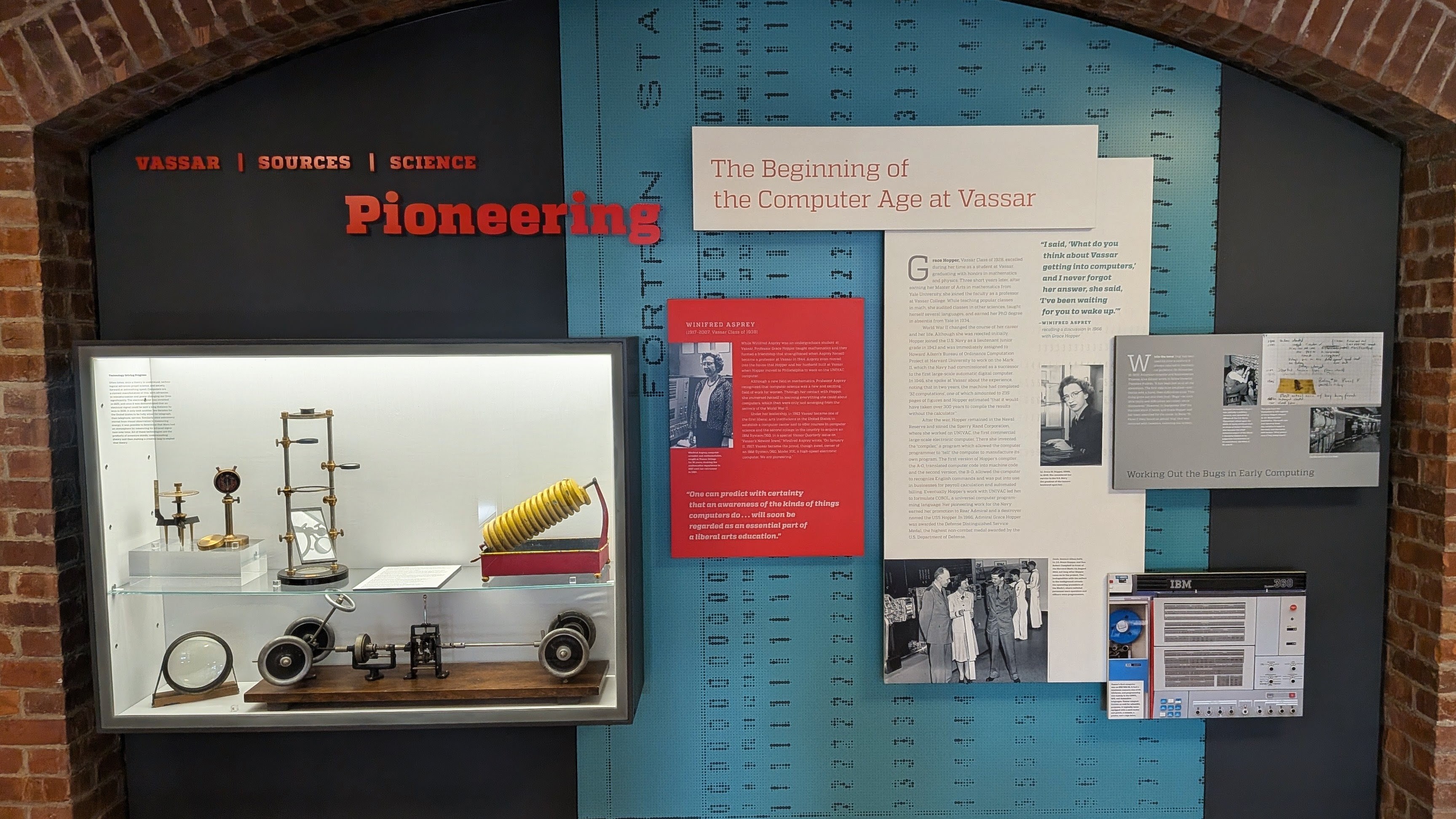
Pioneering.
Rise of the Computer Age
and the Women who Made it
Learn about the pioneering work of Vassar alumnae and faculty, including Grace Hopper and Winifred Asprey, whose innovations and forward thinking helped shape the early field of computing both on campus and around the world.
Grace Brewster Hopper (1906–1992), Class of 1928, excelled at Vassar, graduating with honors in Mathematics and Physics. She became a Vassar faculty member three years later after earning a Master’s in Mathematics from Yale. While teaching, she audited other sciences, learned multiple languages, and earned her Ph.D. from Yale in 1934.
World War II shifted her career. In 1943, after initial rejection, Hopper joined the Navy as a lieutenant junior grade and assinged to the Bureau of Ordnance Computation Project at Harvard to work on the Mark II computer. By 1946, she observed that the machine completed in two years calculations that would have taken humans over 300 years.
After the war, Hopper stayed in the Naval Reserve and joined Sperry Rand to work on UNIVAC, the first commercial electronic computer. She invented the “compiler,” allowing computers to create their own programs. Her B-0 compiler, FLOW-MATIC, enabled English-language commands and business applications like payroll and billing. Her work paved the way for COBOL, one of the first universal programming languages.
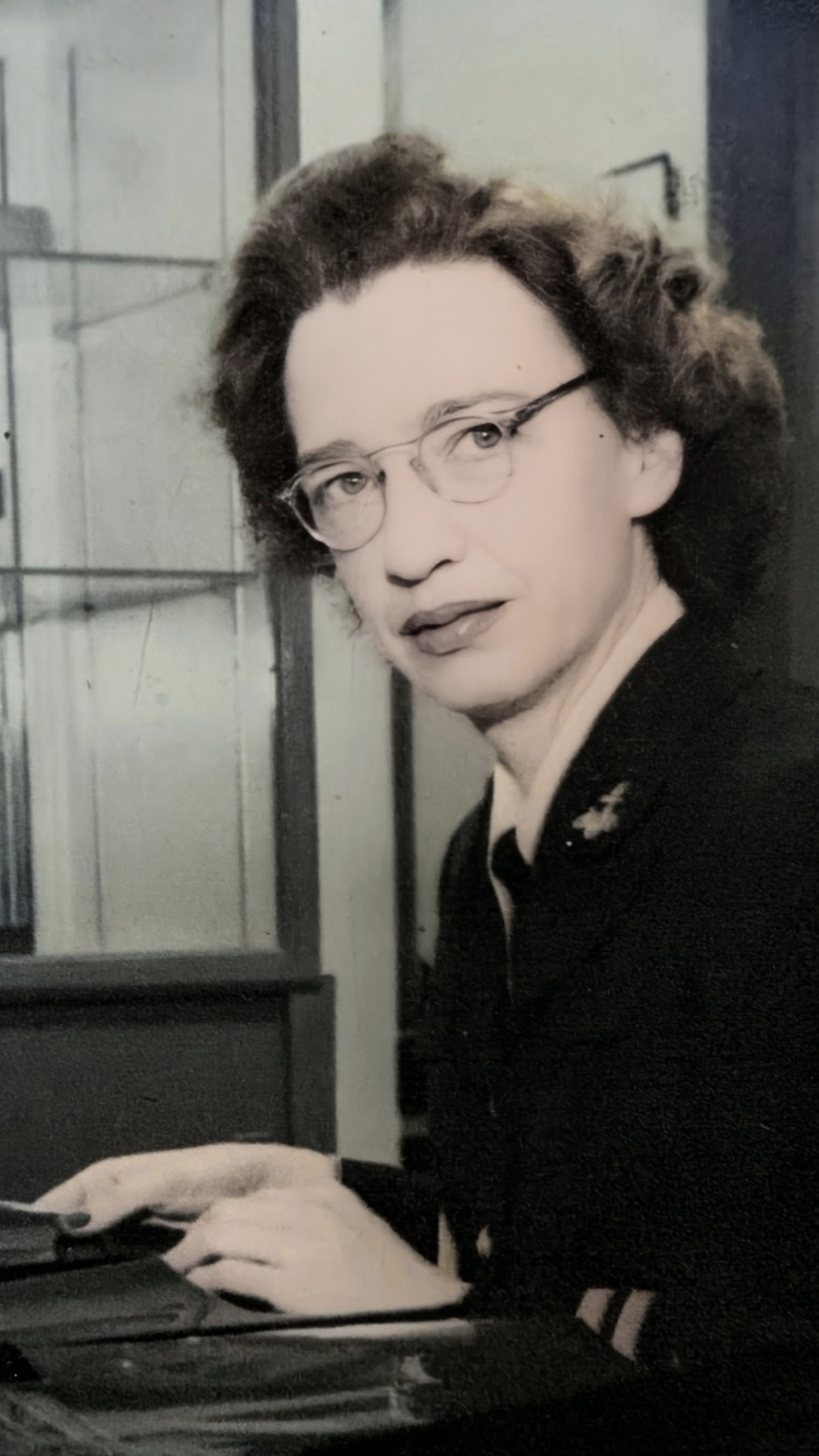
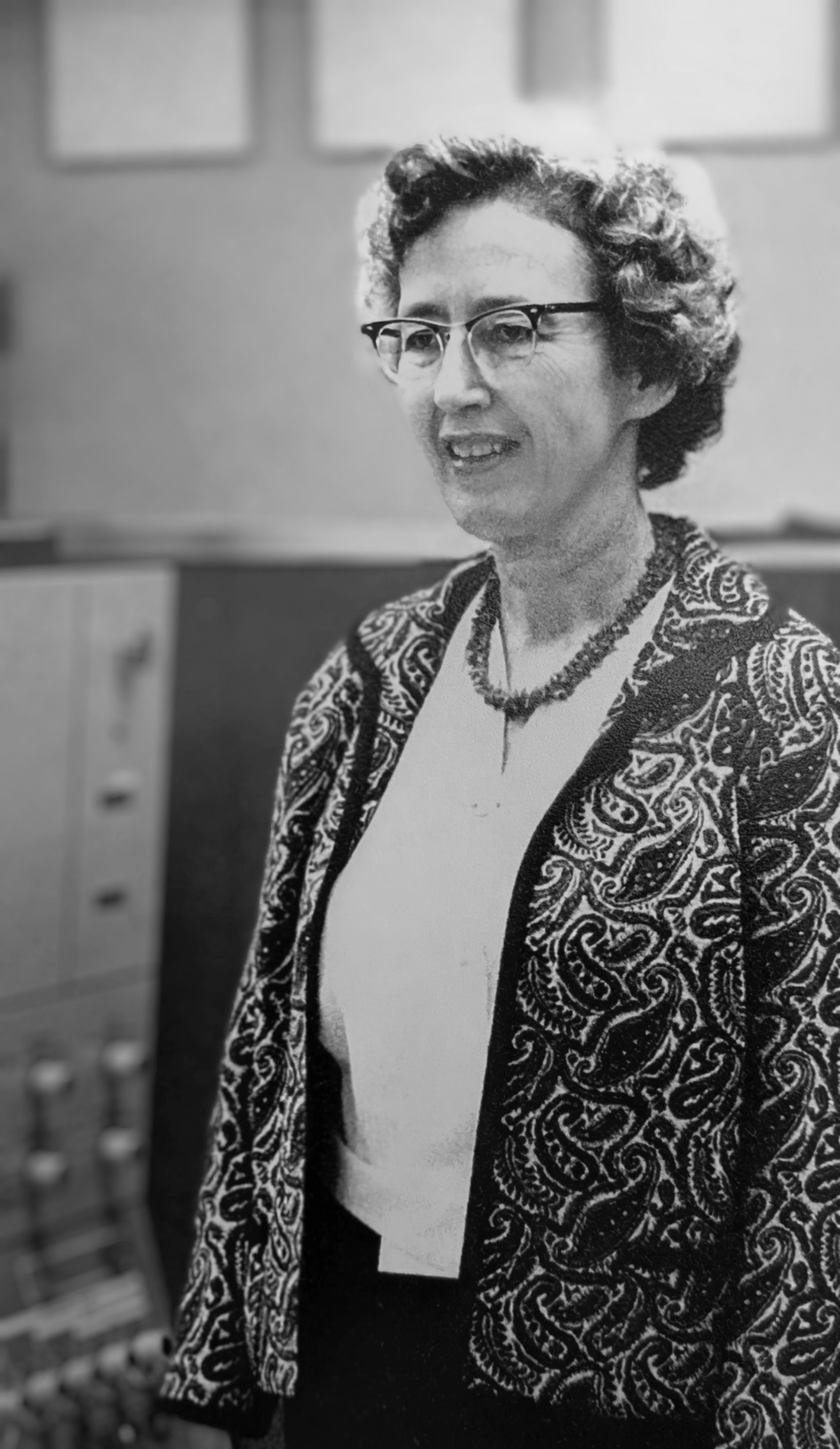
Winifred "Tim" Alice Asprey (1917-2007), Class of 1938, was one of only 200 women to earn a PhD in Mathematics during the 1940s. While an undergraduate at Vassar, Winifred became friends with professor Grace Hopper. Their friendship deepened when Asprey later joined the Vassar faculty, even living in the house Hopper and her husband had built while Hopper moved to Philadelphia to work on the UNIVAC computer.
Recognizing the potential of the emerging field of computer science, Asprey drew on her connection with Hopper to learn as much as she could about computing. Under her leadership, Vassar established a computer center in 1963, becoming one of the first liberal arts colleges in the U.S. to offer computer science courses and only the second college to acquire an IBM System/360. Reflecting on the milestone in Vassar Quarterly, Asprey wrote, “On January 11, 1967, Vassar became the proud, though awed, owner of an IBM System/360, Model 30E, a high-speed electronic computer. We are pioneering.”
In 1989, due to her contributions, the computer center she started was renamed the Asprey Advanced Computation Laboratory